




Ye Ordered to Pay More Than $321,000 in Malibu Mansion Lawsuit After Court Ruling
Ye, the rapper formerly known as Kanye West, has been ordered to pay more than $321,000 following a legal dispute involving the renovation of his former Malibu mansion. The latest ruling adds more than $181,000 in legal fees and court costs to an earlier jury award, bringing renewed attention to a controversial property project that has cost the artist millions of dollars.
The decision, issued by Los Angeles County Superior Court Judge Brock Hammond in October 2026, follows a lawsuit brought by Tony Saxon, a former construction manager who worked on the property. Saxon alleged that he suffered injuries while working on the mansion and that Ye failed to provide workers’ compensation coverage.
A jury awarded Saxon $140,000 in damages in March 2026. The additional award covers $147,000 in attorney fees and $34,433.93 in litigation costs, bringing the total to approximately $321,434.
The ruling represents another legal setback connected to Ye’s ambitious plans for the oceanfront property. However, the jury did not accept all of Saxon’s claims, and Ye has continued to challenge aspects of the dispute through separate legal proceedings.
How the Malibu Mansion Project Began
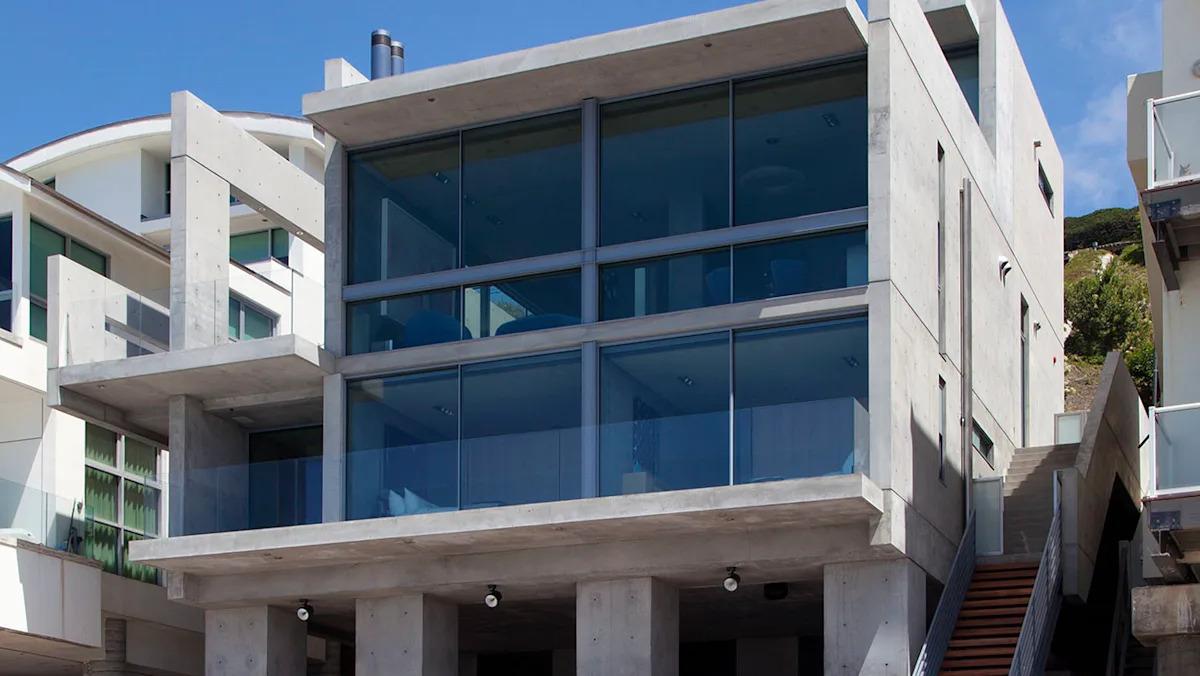
Ye purchased the Malibu property in 2021 for approximately $57 million. The house, designed by renowned Japanese architect Tadao Ando, was known for its minimalist concrete construction, expansive windows and views of the Pacific Ocean.
The building was considered a distinctive example of contemporary architectural design. Its stripped-back appearance reflected Ando’s architectural approach, which emphasizes concrete, natural light, space and the relationship between buildings and their surroundings.
After acquiring the property, Ye began an extensive renovation project that reportedly involved removing much of the house’s interior infrastructure. The plans included stripping out features such as windows, plumbing, electrical systems and other conventional amenities.
Reports about the project described Ye’s intention to transform the residence into an unconventional, off-the-grid structure. The renovation attracted attention because of the scale of the proposed changes and the considerable value of the original property.
The project eventually stalled, leaving the mansion in an unfinished and largely uninhabitable condition. Ye later sold the property at a substantial loss compared with its original purchase price.
What began as an ambitious real estate project ultimately became a complicated combination of construction problems, financial losses and legal disputes.
What Tony Saxon Alleged in Court
Saxon was hired to oversee aspects of the renovation and claimed that his responsibilities extended beyond ordinary construction management. According to his lawsuit, he also performed other duties at the property while helping coordinate the work.
Saxon alleged that Ye had agreed to pay him $20,000 per week under an arrangement made in 2021. He claimed that he received only one weekly payment, along with money intended to cover construction expenses.
He also alleged that the working conditions became dangerous and that he suffered back and neck injuries while performing tasks connected to the renovation. According to his account, he was expected to work in difficult conditions and was living at the property while the project was underway.
Saxon further claimed that he was dismissed after refusing certain requests that he considered unsafe.
These allegations formed part of a broader legal dispute involving compensation, workplace injuries and the circumstances under which Saxon worked at the mansion.
Ye disputed significant parts of Saxon’s account. His legal team challenged the claims and argued against the amount of compensation being sought.
The jury ultimately awarded Saxon $140,000 in damages but rejected several of his other claims, including claims relating to wrongful termination and unpaid wages. The verdict therefore represented a partial victory for Saxon rather than an acceptance of every allegation in his lawsuit.
Why the Total Award Increased
The latest ruling concerns the legal expenses associated with the case rather than a new finding that Ye committed additional misconduct.
After the jury awarded Saxon $140,000, his legal team sought further compensation for attorney fees and litigation costs. The request was substantially higher than the amount ultimately approved by the judge.
Ye’s lawyers opposed the request, arguing that the legal fees being sought were excessive in relation to the outcome of the trial. They maintained that the amount awarded to Saxon was considerably lower than the compensation he had originally demanded.
Judge Hammond ultimately ordered Ye to pay $147,000 in attorney fees and $34,433.93 in court-related costs.
Combined with the original damages award, the additional expenses increased the amount awarded to Saxon to more than $321,000.
The decision illustrates how the financial consequences of a lawsuit can extend beyond the damages awarded by a jury. Depending on the applicable law and the circumstances of a case, legal fees and litigation expenses can add significantly to the final amount a defendant must pay.
For Ye, the ruling adds another expense to a property project that had already resulted in a substantial financial loss.
A Property That Sold at a Significant Loss
The financial consequences of the Malibu project extend well beyond the court award.
Ye purchased the property for approximately $57 million in 2021. After the extensive renovation work left the house stripped of many of its original features, he eventually sold it for substantially less than the original purchase price.
The property reportedly sold for approximately $21 million in 2026, representing a difference of roughly $36 million from what Ye paid before accounting for renovation expenses, transaction costs and other financial considerations.
The sale price alone does not establish the exact amount Ye lost on the project, but it illustrates the scale of the difference between the original purchase and the eventual sale.
The mansion’s unfinished condition also complicated its future. A buyer taking ownership of a stripped-down property may face substantial costs to restore essential systems, complete construction and make the residence suitable for occupation.
The project therefore became an example of how an ambitious property transformation can produce unexpected complications when construction plans, costs and practical requirements fail to align.
For an artist with Ye’s public profile, the dispute has also become a prominent story beyond the real estate industry, attracting attention from music fans and entertainment publications.
Ye’s Legal Dispute Is Not Completely Over
Although the latest ruling increases the amount awarded to Saxon, it does not resolve every legal issue connected to the mansion.
Ye has pursued separate legal claims involving Saxon and the circumstances surrounding the property’s sale. Those proceedings include allegations that actions taken during the dispute interfered with the sale of the mansion.
The existence of those claims does not establish that Saxon or his legal representatives acted improperly. The allegations must be assessed through the relevant legal process.
The two sides have presented competing accounts of their relationship, the work performed at the property and the events that followed the breakdown of the renovation project.
The latest award concerns the outcome of Saxon’s workplace injury case and the associated legal expenses. Any separate proceedings must be considered independently rather than treated as part of the same final judgment.
The dispute demonstrates how disagreements over construction projects can develop into lengthy legal battles involving employment arrangements, workplace safety, compensation and property transactions.
Another Costly Chapter in Ye’s Career
Ye has built a career that extends beyond music into fashion, design and other business ventures. His interest in ambitious creative projects has often placed him at the intersection of entertainment, art and commerce.
The Malibu mansion project reflected that broader interest in reimagining established spaces. However, the renovation’s unfinished outcome and the subsequent legal dispute have turned the property into a costly chapter of his business history.
The additional court award is relatively small compared with the difference between the mansion’s purchase and sale prices, but it adds to the financial and legal consequences associated with the project.
The case also highlights the importance of clear agreements, appropriate workplace protections and documented responsibilities when managing large construction projects.
For contractors and workers, the dispute underscores the significance of workplace safety and compensation arrangements. For property owners, it demonstrates the potential risks associated with extensive renovations and disagreements over the terms under which work is carried out.
Ye’s representatives have challenged aspects of the litigation, and separate proceedings remain relevant to the broader dispute.
For now, the latest ruling means that the amount awarded to Saxon has risen above $321,000. The decision adds another development to a property saga that began with a multimillion-dollar purchase and evolved into an unfinished renovation, a heavily discounted sale and a series of legal battles.
What do you think about Ye’s Malibu mansion project? Was the renovation an ambitious creative vision that went wrong, or does the case highlight the risks of undertaking major construction without adequate planning and workplace protections?