

Vince Staples’ Cry Baby Marks a New West Coast Era of Sound and Independence (June 2026)
By Eli Jesse | HipHopLA
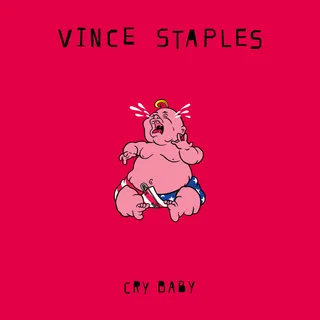
June 2026 has already delivered one of the most important West Coast hip-hop releases of the year. Long Beach rapper Vince Staples officially released his seventh studio album, Cry Baby, on June 5, 2026, through Section Eight Arthouse and Loma Vista Recordings. The project marks a major turning point in his career, both musically and structurally, as he continues to step deeper into creative independence and experimental production.
Unlike typical commercial rollout cycles, Cry Baby arrives as a tightly structured 10-track album built around live instrumentation and a more aggressive sonic identity. The release has already sparked widespread discussion across hip-hop communities, music critics, and LA culture circles for its bold direction and thematic intensity.
A Confirmed Release With a New Direction
Cry Baby was officially released on June 5, 2026, following weeks of anticipation and strategic rollout through singles and visual drops. According to multiple verified music reports and official listings, the album contains 10 tracks and continues Vince Staples’ transition away from his earlier label structures into a more independent creative phase.
This project is his first major release under Loma Vista Recordings, in partnership with his own imprint, Section Eight Arthouse, signaling a shift toward greater artistic control and direct audience engagement.
Industry reporting confirms that the album is built around live instrumentation, a notable departure from the sample-heavy and minimal production styles of his earlier works. This change gives Cry Baby a more raw and organic texture, blending elements of rock, post-punk, and experimental hip-hop soundscapes.
Lead Singles That Set the Tone
Before the album dropped, Vince Staples released two key singles that helped define the tone of Cry Baby:
Blackberry Marmalade
The lead single arrived with a highly stylized visual video co-directed by Staples himself. The track immediately stood out for its intense delivery and politically charged undertones, setting the foundation for the album’s tone.
White Flag
The second single, White Flag, expanded the album’s thematic scope, continuing its focus on systemic critique and modern American tension. Its visuals also gained attention for their symbolic and provocative imagery, reinforcing the album’s confrontational tone.
Both singles confirmed that Cry Baby would not follow a conventional mainstream rap formula, but instead lean into a more artistic and message-driven direction.
Tracklist Overview
Verified sources confirm the official 10-track listing for Cry Baby:
- Blackberry Marmalade
- Go! Go! Gorilla
- White Flag
- Run and Hide
- TV Guide
- The Big Bad Wolf
- Only in America
- Do You Know the Devil?
- Cotton
- 7 in the Morning
Each track contributes to a broader narrative that reflects tension, satire, and commentary on American society, delivered through Vince Staples’ signature storytelling lens.
Themes: America, Identity, and Disruption
One of the most consistent interpretations across verified reviews and album descriptions is that Cry Baby explores the cycles of American instability and social contradiction.
Rather than focusing on personal storytelling alone, Vince Staples pushes outward—examining political, cultural, and systemic themes through sharp lyricism and irony.
Critics have noted that the album blends:
- politically aware hip-hop
- experimental rock-influenced production
- satirical storytelling
- emotional detachment mixed with social critique
This combination creates a listening experience that is less about traditional rap structure and more about mood, commentary, and sonic disruption.
A Sonic Shift in West Coast Hip-Hop
Cry Baby is also being widely discussed as a sonic shift in Vince Staples’ discography.
Rather than relying on traditional West Coast beats or modern trap patterns, the album incorporates:
- live instrumentation
- distorted guitar textures
- post-punk influences
- experimental rhythm structures
This places the project in a growing trend where hip-hop artists are expanding beyond genre boundaries while still maintaining rap foundations.
For LA hip-hop specifically, this release stands out because it does not follow dominant regional sound patterns. Instead, it pushes outward—experimenting with form while maintaining lyrical precision.
Cultural Response and Early Reception
Early reactions from music communities highlight a strong but divided response. Many listeners have praised the album for its ambition and risk-taking, especially its willingness to break from predictable rap structures.
Community discussions emphasize:
- appreciation for Vince Staples’ consistency in reinvention
- recognition of the album’s experimental direction
- debate over its rock-influenced production choices
Across online music spaces, Cry Baby is already being positioned as one of the more distinctive hip-hop releases of 2026 so far.
Why Cry Baby Matters for LA Hip-Hop
In the context of West Coast rap, Cry Baby stands out not just as an album release, but as a cultural marker.
Here’s why it matters:
1. A Major LA Artist in Full Reinvention Mode
Vince Staples continues to avoid repetition, reinforcing his position as one of LA’s most unpredictable major artists.
2. Independent Creative Structure
His move into a more autonomous release setup signals a shift in how established artists approach control and ownership.
3. Expansion of LA Sound Identity
Instead of reinforcing a single regional sound, Cry Baby expands what West Coast hip-hop can include stylistically.
4. Conversation-Driven Album Design
The project is built to spark discussion rather than chase algorithmic trends.
Where It Fits in 2026 Hip-Hop
So far, Cry Baby is shaping up to be one of the defining rap releases of early 2026—not because of chart domination alone, but because of its artistic direction.
It represents a growing trend in hip-hop where artists:
- blend genres more freely
- prioritize concept-driven albums
- lean into experimental production
- move toward independent control
For LA specifically, it reinforces Vince Staples as a key figure in modern West Coast evolution.
Final Takeaway
Cry Baby is not a conventional rap album—it is a statement project. It reflects Vince Staples’ continued refusal to settle into a predictable sound or narrative path, instead pushing toward creative discomfort and experimentation.
For HipHopLA coverage, it stands as one of the most important verified West Coast releases of June 2026 and a key reference point in how LA hip-hop continues to evolve.