


Duane “Keffe D” Davis Sentenced to 40 Years to Life in Tupac Shakur Murder Case
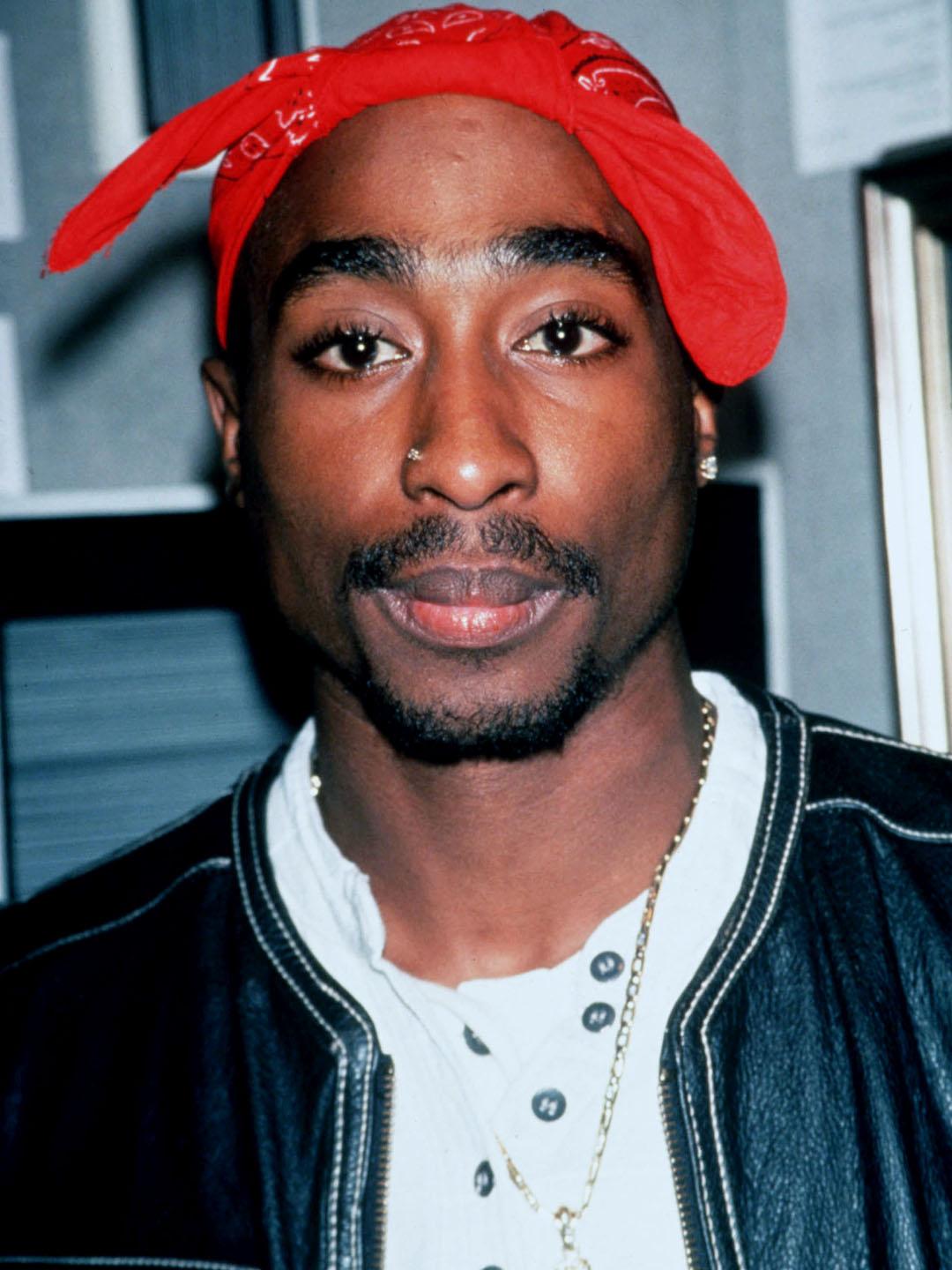
The case surrounding the 1996 murder of Tupac Shakur has reached a major turning point following the sentencing of Duane “Keffe D” Davis to 40 years to life in prison. The development brings renewed attention to one of the most notorious cases in hip-hop history and the circumstances surrounding the death of a rapper whose influence continues to shape the culture decades later.
Davis, a former gang leader from California, was convicted of first-degree murder in connection with the fatal shooting of Tupac in Las Vegas. The sentencing marks a significant chapter in a case that remained unresolved for decades, attracting attention from music fans, investigators and the wider public.
Tupac was just 25 years old when he died in September 1996. His death sent shockwaves through the music industry and left questions that followed hip-hop for generations.
A Major Development in a Case That Lasted Decades
Tupac Shakur was shot on September 7, 1996, while riding in a BMW driven by Death Row Records co-founder Marion “Suge” Knight in Las Vegas, Nevada. The shooting took place after a series of events that included a confrontation at the MGM Grand casino earlier that evening.
Tupac was taken to hospital, where he died six days later, on September 13, 1996, from injuries sustained in the shooting.
Despite the rapper’s fame and the enormous public interest in the case, investigators spent years without securing a murder conviction. The circumstances surrounding the killing became the subject of documentaries, books, interviews and countless debates among hip-hop fans.
The case took a significant turn in 2023, when authorities arrested Davis and charged him in connection with Tupac’s murder. Prosecutors argued that Davis played a role in organizing the shooting, making his alleged involvement central to the prosecution’s case.
The conviction and subsequent sentencing represent a major legal development in an investigation that had remained open in the public consciousness for nearly three decades.
What Led to Tupac’s Fatal Shooting?
According to prosecutors, the events leading to the shooting began with an altercation at the MGM Grand casino on the night of September 7, 1996.
Tupac and members of his entourage became involved in a physical confrontation with Orlando Anderson, who was associated with the South Side Compton Crips. Davis was Anderson’s uncle.
Prosecutors argued that the confrontation contributed to the motive for the later shooting. Their account was that Davis helped organize the retaliation that culminated in the attack on Tupac’s vehicle.
The shooting occurred later that night while Tupac and Knight were stopped at an intersection in Las Vegas. A vehicle pulled alongside their BMW, and shots were fired into the car. Tupac suffered multiple gunshot wounds.
Davis became a central figure in the investigation partly because of statements he had made about the incident in interviews and other accounts over the years. Prosecutors used those statements as part of their case.
The defense challenged aspects of the prosecution’s evidence and questioned the reliability and interpretation of Davis’ past statements. The jury nevertheless found him guilty of first-degree murder.
It is important to distinguish Davis’ conviction and the prosecution’s account from unanswered questions about the shooting itself. The case has not necessarily resolved every detail concerning all the people who may have been involved that night.
Why the Case Matters to Hip-Hop
Tupac’s murder became one of the defining tragedies in the history of American hip-hop. His death came during a period when tensions between artists, record labels and rival music circles received enormous media attention.
The broader East Coast versus West Coast rivalry was frequently discussed in the years surrounding Tupac’s death and the 1997 murder of The Notorious B.I.G. However, the circumstances of Tupac’s killing were complex, and the case should not be reduced to a simple regional rivalry.
Tupac was known for music that addressed poverty, racism, inequality, family struggles and the realities of life in marginalized communities. His ability to combine personal vulnerability with social commentary helped establish him as one of rap’s most influential voices.
Songs such as “Dear Mama,” “Changes” and “Keep Ya Head Up” demonstrated a different side of the artist beyond the confrontational image often associated with the period. His work continues to resonate with listeners who connect with its themes of survival, ambition, injustice and resilience.
For West Coast hip-hop, Tupac’s legacy remains especially important. His work with Death Row Records helped define a commercially powerful period in the region’s rap history, while his influence continues to be felt in the music and visual identities of contemporary artists.
The Long Wait for Accountability
For years, the absence of a murder conviction in Tupac’s case contributed to speculation and frustration among fans. The investigation became a lasting example of how difficult it can be to solve high-profile killings when witnesses are reluctant to cooperate, evidence is limited and memories fade over time.
Davis’ arrest in 2023 renewed public attention and raised hopes that the legal process could establish greater accountability. The case relied in significant part on testimony and statements about events that had occurred many years earlier.
The conviction was therefore an important milestone, but it does not automatically answer every question that has surrounded the killing.
The sentencing also represents a reminder that legal proceedings must distinguish between established findings, prosecution arguments and speculation. Numerous theories have circulated about Tupac’s death, but claims that go beyond the evidence established in court should be treated cautiously.
What Happens After the Sentencing?
The sentence of 40 years to life in prison marks a major outcome in the criminal case against Davis. Any subsequent appeal or other legal challenge could affect how the case proceeds through the courts.
An appeal would not, by itself, overturn the conviction. The outcome would depend on the legal arguments presented and the court’s assessment of them.
The sentencing also does not necessarily mean that every question about the shooting has been resolved. The identities and roles of everyone involved, along with the full circumstances of the attack, have remained subjects of public interest for decades.
For hip-hop fans, the legal development offers a new chapter in a story that has been discussed across generations. For those who followed Tupac’s career during his lifetime, it also brings renewed reflection on how much music and culture lost when the rapper died at just 25.
Tupac Shakur’s Influence Continues
Nearly 30 years after his death, Tupac remains a central figure in discussions about rap music, celebrity, social inequality and the relationship between hip-hop and violence.
His influence extends beyond album sales and chart success. His lyrics continue to be studied, quoted and reinterpreted by artists and listeners who see his work as a reflection of both personal struggles and broader social conditions.
His story has also become part of a larger conversation about the dangers faced by artists whose public lives intersect with conflict, fame and violence.
The sentencing of Duane “Keffe D” Davis represents a landmark development in the legal history of Tupac Shakur’s murder. Yet the rapper’s cultural significance cannot be measured by the outcome of a court case alone.
Tupac’s music remains his most enduring legacy. Decades after his death, his voice continues to influence new generations of rappers and remind listeners why his place in hip-hop history remains secure.
What do you think Tupac Shakur’s legacy means to hip-hop today? Share your thoughts in the comments.
Sources for editorial verification: Reuters, Associated Press and other established news outlets covering the case. Confirm the sentencing date, final judgment and any appeal developments against current reporting before publication.