
DJ Shadow Celebrates 30 Years of Endtroducing….. With Los Angeles Show
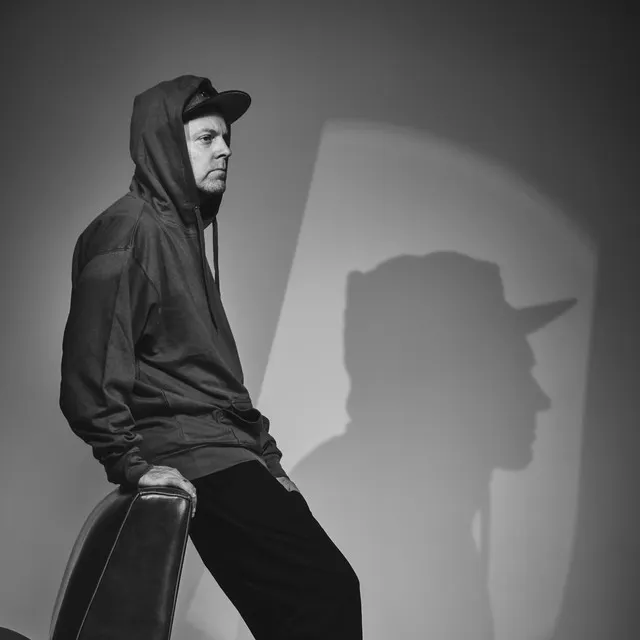
DJ Shadow brought one of hip-hop’s most influential instrumental albums back into the spotlight this month, celebrating the 30th anniversary of Endtroducing….. with a special Los Angeles performance at The Novo.
The California producer performed his “30 Years of Endtroducing” show at The Novo in downtown Los Angeles on September 25, 2026, with DJ D-Sharp and King NTG appearing on the bill. The concert was part of a run of anniversary dates marking three decades since the release of the landmark 1996 album.
For West Coast hip-hop, the anniversary is more than simple nostalgia.
DJ Shadow, born Josh Davis in San Jose and closely associated with Northern California’s underground music culture, helped expand what hip-hop production could sound like during the 1990s. Instead of building Endtroducing….. around traditional rap performances, Shadow constructed the album largely through samples, turntables and studio experimentation.
Thirty years later, the record remains closely tied to the evolution of instrumental hip-hop.
Endtroducing….. Returns to the Stage
The Los Angeles show came during a particularly significant week for Shadow.
His official tour schedule placed him in San Diego on September 24, Los Angeles on September 25 and San Francisco’s Portola Music Festival on September 26, creating a three-night California run centered around the anniversary.
The San Francisco performance became especially notable.
According to SFGATE, Shadow used the Portola set to perform material from Endtroducing….. live in a way he had not been able to do for decades. He explained that an MPC sampler connected to the original material had been lost and was eventually recovered and repaired with help from fellow California producer Tycho.
That allowed Shadow to revisit pieces of the album with technology closely connected to the way the music was originally constructed.
It is a rare situation in hip-hop.
Anniversary tours often involve artists performing familiar songs again, but Endtroducing….. was created through layers of samples and studio manipulation that were never designed for a conventional live band setup.
Bringing that material into a modern concert environment required Shadow to rethink how some of those compositions could work onstage.
Los Angeles Gets Its Own Anniversary Celebration
The September 25 performance at The Novo placed that history directly inside Los Angeles.
The venue, located at L.A. LIVE on West Olympic Boulevard, hosted the show as an all-ages event, with doors opening at 7 p.m. and the concert scheduled for 8 p.m.
The timing was fitting.
While DJ Shadow is fundamentally connected to Northern California, Endtroducing….. belongs to a broader West Coast history that developed far beyond traditional gangsta rap.
California hip-hop in the 1990s was never only one sound.
Alongside G-funk and major-label Los Angeles rap, an alternative ecosystem was developing around independent labels, turntablism, sample culture and underground experimentation.
Shadow became one of the most important figures from that side of the movement.
His work helped demonstrate that a producer could create a complete hip-hop experience without depending on a conventional rapper at the center of every song.
Why Endtroducing….. Still Matters
Released in 1996, Endtroducing….. became famous for its sample-heavy construction and cinematic approach to instrumental production.
Tracks such as “Building Steam With a Grain of Salt,” “Midnight in a Perfect World,” “Organ Donor” and “Stem/Long Stem” helped establish Shadow’s style: dense layers of drums, obscure records, atmospheric fragments and carefully arranged loops.
Instead of treating samples as simple background elements, Shadow used them almost like pieces of a collage.
That approach has had a lasting influence.
Instrumental hip-hop, beat tapes and producer-centered albums have become far more common since the 1990s, but Endtroducing….. arrived when that format still felt unconventional.
Its influence also extends beyond rap.
Electronic producers, DJs and experimental musicians have repeatedly pointed toward Shadow’s early work as an example of how sampling could be used to create something cinematic and emotionally complex.
From Record Digging to Modern Producer Culture
Part of DJ Shadow’s legacy comes from the culture surrounding his creative process.
His early music was deeply connected to record digging — searching through vinyl collections for forgotten drums, melodies, dialogue and unusual sounds that could be transformed into something new.
That practice became one of the defining images of underground producer culture.
Today, producers have access to massive digital sample libraries, software instruments and online marketplaces.
Shadow came from a period when discovering the right sound could mean physically searching through thousands of records.
Celebrating Endtroducing….. 30 years later therefore also means celebrating a specific period of hip-hop production history.
The technology has changed.
The principle has not.
Producers are still searching for ways to take existing sounds and reshape them into something listeners have never heard before.
A West Coast Legacy Beyond G-Funk
The Los Angeles anniversary show also highlights how broad the phrase West Coast hip-hop really is.
California gave hip-hop artists like Dr. Dre, Snoop Dogg, Ice Cube and Tupac, but it also produced experimental figures such as DJ Shadow whose influence traveled through completely different corners of music.
Shadow’s story provides another piece of that history.
He represents the producer, DJ and crate-digging tradition that developed alongside California’s more commercially dominant rap movements.
Thirty years after Endtroducing….. first arrived, that contribution is being recognized in venues across the country.
And during the final week of September, California became the center of the celebration.
With shows running from San Diego to Los Angeles and then San Francisco, DJ Shadow effectively brought the album back through his home state before continuing the anniversary tour elsewhere.
For longtime listeners, the shows offered an opportunity to hear a defining record from the 1990s reconsidered three decades later.
For younger producers, they offered something else entirely: a reminder that one person, a sampler and a collection of records could permanently change the possibilities of hip-hop production.