LA’s Hidden Scene Heating Up in Early April

By Eli Jesse
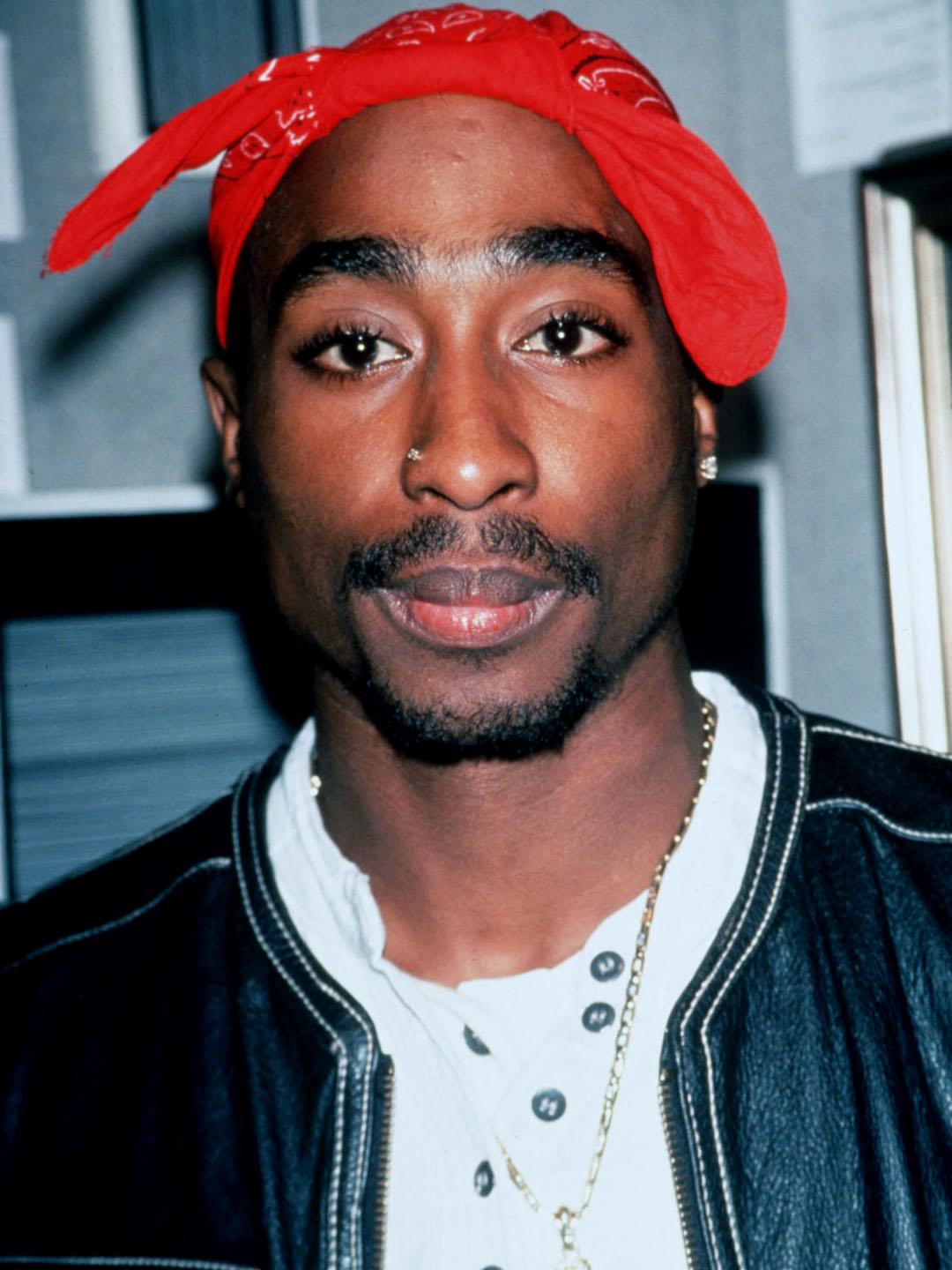
While mainstream LA hip-hop continues to evolve, the real pressure is building underneath it. The underground scene in Los Angeles during the first week of April showed serious movement—artists sharpening their sound, small venues staying active, and a growing wave of internet-driven discovery reshaping how new talent breaks out.
This is where the next era of West Coast hip-hop is being built.
Underground Venues Keeping LA Alive
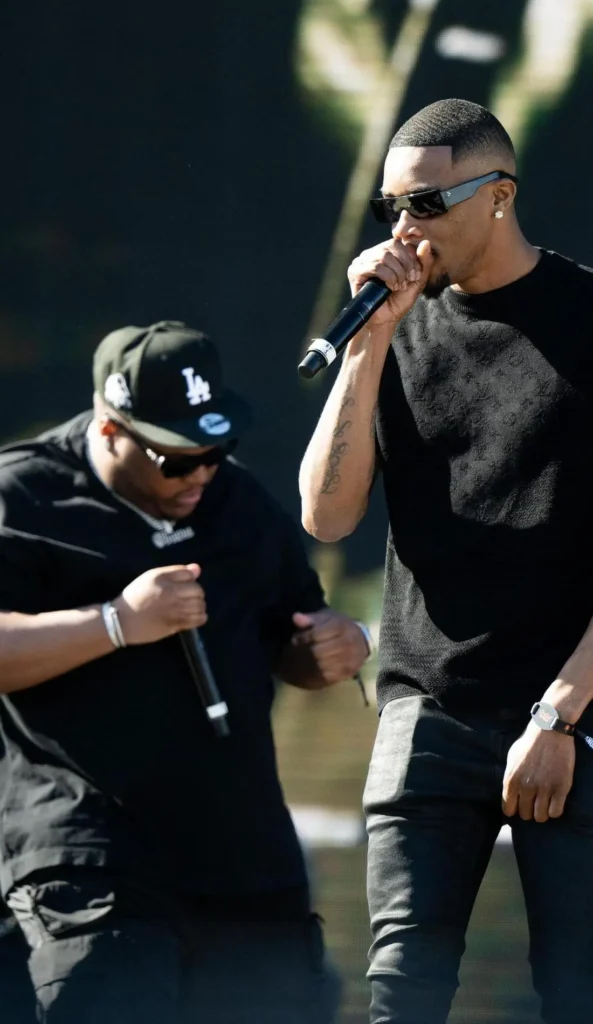
Los Angeles has always relied on its small venues to feed the bigger industry.
Spaces like Gold-Diggers and other intimate LA performance spots continue to host lyrical and experimental acts that don’t always get mainstream attention but carry heavy influence in shaping sound direction.
Artists like Pigeon John represent this lane perfectly—blending storytelling, alternative hip-hop, and live performance energy that feels raw and personal.
At the same time, R.A.P. Ferreira continues to push abstract, poetic rap styles that challenge traditional West Coast structure.
These shows don’t just entertain—they experiment.
Independent Grind Is Stronger Than Ever
One of the biggest shifts in LA hip-hop right now is independence.
Larry June continues to lead the independent movement with consistent releases and a lifestyle-driven brand that resonates far beyond California.
His success is part of a larger shift:
- Artists are building without major labels
- Direct-to-fan engagement is increasing
- Streaming and merch strategies are becoming central
This independence is giving artists more control and longer careers.
The New Digital Underground
Unlike previous generations, today’s underground doesn’t stay underground for long.
310babii is a clear example of how quickly a track can move from local buzz to global attention. One viral moment can change an artist’s entire trajectory.
This new system is powered by:
- TikTok clips
- Instagram reels
- Short-form music previews
- Fan-driven discovery
The underground is no longer hidden—it’s just one upload away from blowing up.
Sound Evolution: Minimal but Impactful
A noticeable trend in LA’s underground is the shift toward minimal production.
BlueBucksClan continue to lead this style with clean beats, subtle basslines, and relaxed delivery.
This sound stands out because it:
- Leaves space for lyrics
- Feels modern but not overproduced
- Maintains West Coast identity without nostalgia overload
It’s a quiet but powerful evolution.
Club Influence Still Shapes the Underground
Even underground artists are paying attention to club culture.
OhGeesy and similar LA artists influence how beats are structured—especially when it comes to tempo, hook design, and replay value.
The club remains a testing ground:
- If it moves a crowd, it spreads
- If it goes viral, it scales
- If it connects locally, it survives
This feedback loop is shaping the next generation of hits.
Bridging Underground and Mainstream
One of the most important developments in LA hip-hop is how quickly underground artists are crossing over.
Kalan.FrFr is a strong example of this transition—balancing melodic appeal with street storytelling in a way that works across audiences.
The gap between underground and mainstream is shrinking fast:
- A viral song can bypass labels
- Independent artists can chart
- Social media can replace traditional radio
LA is adapting faster than most regions.
What Makes LA Different Right Now
The underground scene in Los Angeles is not isolated—it feeds directly into the mainstream.
G Perico represents that connection well, staying rooted in street authenticity while maintaining a steady output that keeps him relevant across different listener groups.
This ecosystem creates:
- Constant artist development
- Strong regional identity
- A steady pipeline of new talent
Final Thoughts
The first week of April confirmed something important: LA’s underground is no longer just a foundation—it’s an engine.
From experimental artists to viral newcomers, the West Coast is producing music at every level simultaneously. The result is a scene that feels alive, unpredictable, and constantly evolving.
If this momentum continues, the next major wave of hip-hop won’t just include Los Angeles—it will come from it.