
Drake Faces Copyright Lawsuit Over “Janice STFU” as Songwriter Claims Chorus Was Copied
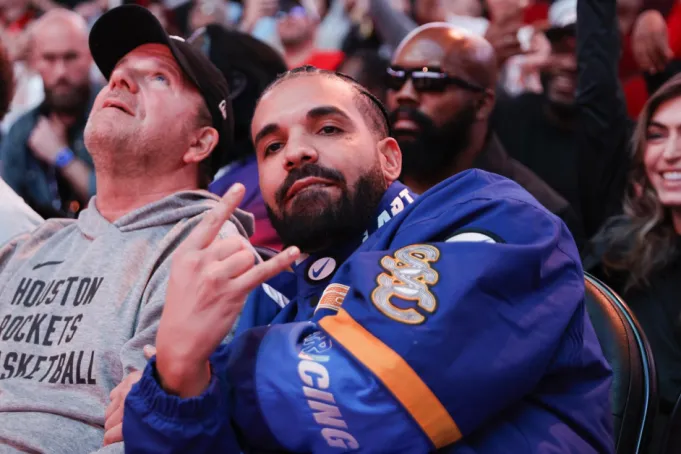
Drake is facing a copyright infringement lawsuit over his song “Janice STFU” after songwriter and producer Aviel Calev Hirschfield alleged that the track’s chorus was copied from a demo he created and shared with people connected to the rapper.
The dispute has drawn attention across the music industry because it raises questions about songwriting credits, ownership of musical ideas and how artists protect their work when collaborating with producers. Hirschfield claims that he created the disputed material before Drake released his version and was not credited or compensated for his contribution.
Drake’s representatives have rejected the allegations, maintaining that the rapper wrote the song and disputing Hirschfield’s claims. The case remains a legal dispute, and the allegations have not been established as fact by a court.
The controversy has also prompted listeners to examine the creative process behind “Janice STFU” and consider how disagreements over authorship can emerge after a song gains commercial attention.
Who Is Aviel Calev Hirschfield?
Hirschfield, who records under the name GoodbyeCalev, is a songwriter, producer and audio engineer. He has previously worked in the music industry, including a songwriting contribution to Beyoncé’s song “Heated,” which also involved Drake.
According to his lawsuit, Hirschfield began working on the chorus at the centre of the dispute in late 2025 or early 2026. He alleges that he developed lyrics, a melody and a vocal performance over an instrumental associated with production duo FnZ, consisting of Michael Mulé and Isaac De Boni.
Hirschfield claims that he recorded a demo and shared it with FnZ and other individuals within Drake’s professional circle in the hope of securing a collaboration with the Toronto rapper.
He alleges that his efforts did not lead to an official collaboration or songwriting credit. However, after Drake released “Janice STFU,” Hirschfield says he recognised similarities between the chorus in the released song and the material he had previously recorded.
The songwriter believes those similarities are significant enough to justify legal action. He claims that elements of his original work were used without his permission and that he has not received appropriate recognition or compensation.
Drake’s representatives dispute his account, meaning that the central question of who created the disputed material and how it was used remains contested.
What Does the Lawsuit Allege?
The lawsuit centres on Hirschfield’s claim that his demo existed before Drake’s version and was shared with people who had professional connections to the rapper.
He argues that the timing of his recording and the circumstances under which he distributed it are important to establishing his claim. The complaint reportedly refers to recordings and associated metadata that Hirschfield says support the timeline of his work.
He also alleges that the released song contains similarities in the chorus’s lyrics, melody and vocal cadence. According to his position, these elements are not merely coincidental but reflect the use of material he had already created.
Hirschfield is seeking financial compensation and other legal remedies connected to the alleged infringement.
However, copyright disputes are rarely decided on a listener’s impression alone. Musical similarities do not automatically prove that copyright infringement occurred. A court may need to consider which elements of a composition are legally protected, whether the defendants had access to the original work and whether the similarities establish actionable copying.
The authenticity and timing of the recordings, the history of communications between the parties and the creative process behind the released track could all become relevant as the case progresses.
Until the evidence has been examined through the legal process, Hirschfield’s allegations remain claims rather than established findings.
Drake’s Team Denies the Claims
Drake’s representatives have strongly rejected the accusation that the rapper copied Hirschfield’s work.
The rapper’s camp has reportedly argued that Drake wrote “Janice STFU” and had no connection to or knowledge of Hirschfield. His representatives have also characterised the lawsuit as an attempt to take advantage of Drake’s name and commercial success.
That response places the two sides in direct disagreement over the origins of the disputed chorus.
Hirschfield maintains that he created the material first and that the similarities warrant compensation. Drake’s representatives deny that account and reject the suggestion that the rapper used his work improperly.
Neither side’s public statements, on their own, determine the legal outcome. The evidence presented during the proceedings will be important in assessing the competing accounts.
For now, the dispute centres on the songwriter’s claim that his demo was used without permission and the defendants’ position that the allegations are unfounded.
The Demo Fuels the Controversy
The case received additional attention after a recording described as Hirschfield’s original demo reportedly circulated online.
The recording prompted listeners to compare the alleged demo with Drake’s released version of “Janice STFU.” Some listeners focused on the similarities they believed they could hear, while others questioned whether the available audio was sufficient to establish the songwriter’s claims.
The circulation of the recording has helped bring the dispute into public discussion, but an audio comparison does not necessarily settle questions of authorship or ownership.
Establishing what happened may require more than comparing two versions of a chorus. Investigators and the court may need to examine the original files, when the recordings were created, how they were shared and whether the people involved had access to the material.
The case could therefore turn on documentary and technical evidence as well as the musical elements themselves.
The public reaction also illustrates how quickly copyright allegations can become a major talking point when they involve a high-profile artist. However, online speculation should not be confused with a legal determination.
Why Songwriting Credits Matter in Hip-Hop
Songwriting disputes have long been part of the music business, particularly in hip-hop, where tracks frequently involve multiple producers, writers, vocalists and collaborators.
A song may begin with a beat created by one producer, develop through contributions from several writers and eventually take its final form through an artist’s recording session. In some cases, creative ideas are exchanged informally before the parties establish clear agreements about ownership and compensation.
When a release becomes commercially successful, disagreements over those contributions can become financially significant.
Songwriting credits can affect publishing royalties, licensing opportunities and the long-term income generated by a composition. They also determine how contributors receive recognition for their work.
For independent songwriters and producers, the prospect of having material used by a major artist can represent a significant professional opportunity. At the same time, disputes can arise when contributors disagree about whether a particular idea was independently developed, shared during collaboration or incorporated into a finished song without permission.
The Drake lawsuit highlights the importance of maintaining original recordings, project files, dated communications and clear collaboration agreements. Such documentation can help establish the history of a musical work and clarify what the parties agreed to when exchanging creative material.
Nevertheless, each copyright dispute must be evaluated on its own evidence. The allegations involving “Janice STFU” do not establish wrongdoing by themselves, nor do they prove that other artists have engaged in similar conduct.
What Happens Next?
The legal process will determine how the dispute proceeds. The parties may exchange evidence, challenge each other’s claims and present arguments concerning authorship, access to the demo and the similarities between the recordings.
The case could eventually be resolved through a settlement or proceed to further court proceedings. Its outcome will depend on the evidence, the applicable copyright law and the court’s assessment of the arguments presented by both sides.
For Hirschfield, the central issue is whether he can establish that his protected work was used without authorisation and demonstrate that the defendants are legally responsible.
For Drake and the other defendants, the challenge will be to defend against the allegations and establish their position regarding the creation of the song.
Until those questions are resolved, the dispute should be understood as an ongoing legal disagreement rather than proof that the rapper copied another songwriter’s work.
Drake’s Latest Legal Challenge Puts Music Ownership Under Scrutiny
The lawsuit over “Janice STFU” has placed the creative origins of Drake’s music under renewed scrutiny and highlighted the complicated relationships that can exist between artists, songwriters and producers.
Hirschfield alleges that he created the chorus before Drake released the song and was denied credit for his work. Drake’s representatives have firmly rejected those claims.
The outcome could have implications for the individuals involved and may provide further insight into how evidence of musical authorship is evaluated in copyright disputes.
For the wider hip-hop community, the case is another reminder that the music released to millions of listeners often emerges from complicated creative processes involving numerous contributors.
Whether Hirschfield’s allegations are ultimately supported by the evidence remains to be determined. Until then, the central questions of authorship, access and responsibility remain unresolved.
What do you think about the dispute surrounding Drake’s “Janice STFU”? Should the music industry do more to protect independent songwriters and producers when they share demos with established artists?