

DJ Akademiks Questions the Current State of West Coast Hip-Hop
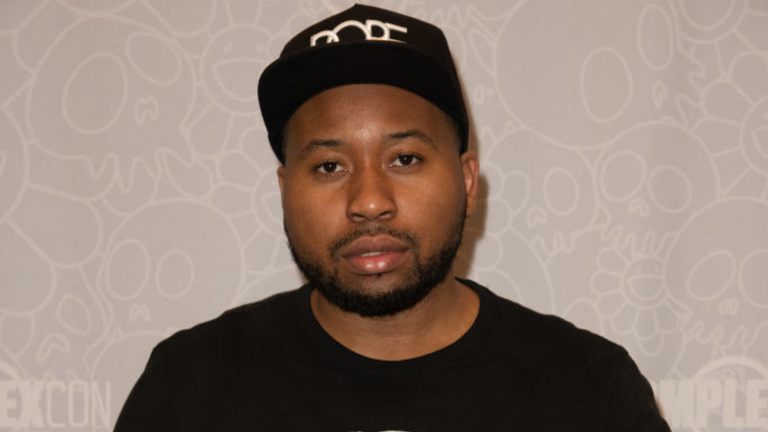
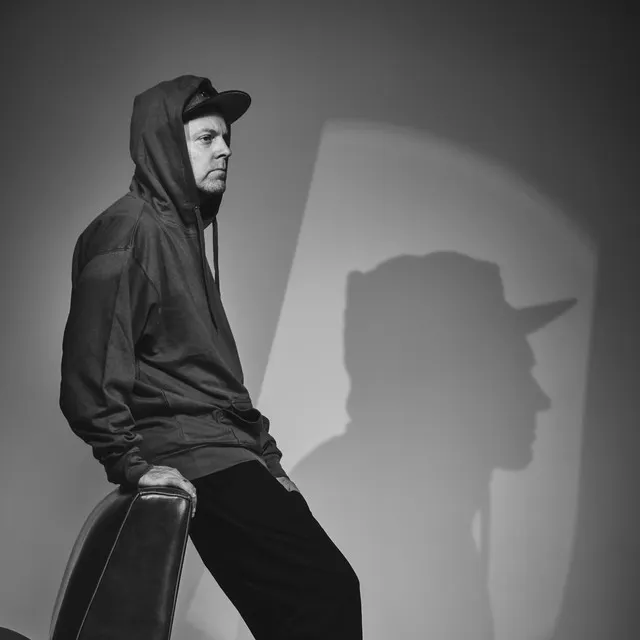
DJ Akademiks has sparked a fresh debate over the current state of West Coast hip-hop after arguing that the region’s rap scene has lost much of its momentum outside of Kendrick Lamar.
The media personality made the comments during a recent Kick livestream, with a clip of his remarks circulating online on August 8. Akademiks questioned why West Coast rap does not appear to have the same level of regional momentum currently associated with scenes in Atlanta, Florida and New York.
His comments have quickly turned into a wider conversation about whether Los Angeles and the broader West Coast are experiencing a genuine slowdown or whether the region’s talent is simply receiving less national attention.
Akademiks Says West Coast Rap Has “Zero Motion”
Akademiks was blunt when discussing what he sees as a lack of movement within West Coast hip-hop.
According to his remarks, Kendrick Lamar is currently the only West Coast rapper with significant clout on a national level. He went as far as describing the broader scene as having “zero motion” and being “completely dead” outside of Kendrick.
The comments were not simply directed at one particular artist. Akademiks used his argument to question the overall health of the California rap ecosystem and whether Los Angeles and other West Coast markets are producing artists capable of creating the kind of cultural momentum seen in other regions.
He compared the situation with Atlanta, Florida and New York, arguing that those markets continue to generate artists, movements and conversations that keep their respective scenes visible.
His assessment, however, is already controversial because the West Coast continues to have an extensive roster of established artists, emerging rappers, producers and independent scenes.
Kendrick Lamar Remains the Biggest Exception
There is little question that Kendrick Lamar represents one of the biggest success stories in modern West Coast hip-hop.
The Compton rapper has become one of the most influential artists in contemporary music while maintaining a strong connection to Los Angeles and West Coast culture.
His success has also created an unusual situation for the region. Kendrick is arguably so prominent that his accomplishments can overshadow other artists operating around him.
Akademiks specifically argued that Kendrick’s position at the top of the West Coast scene has made the lack of another comparable star more noticeable.
He also referenced Kendrick’s evolution from his early days with Top Dawg Entertainment to his work with pgLang, suggesting that the rapper eventually became a figure that other West Coast artists could no longer rely on to carry the entire regional movement.
That interpretation is open to debate, particularly because Kendrick has repeatedly used his platform to spotlight other California artists.
The Pop Out Complicates the Argument
One of the strongest counterpoints to Akademiks’ argument is Kendrick Lamar’s 2024 Juneteenth concert, The Pop Out: Ken & Friends.
The Los Angeles event brought together a large collection of West Coast artists and became a major celebration of the region’s hip-hop culture.
The performance featured both established names and developing artists, demonstrating that Los Angeles still has a deep pool of talent.
The issue, therefore, may not necessarily be whether West Coast hip-hop has artists.
Instead, the bigger question could be whether those artists are generating enough mainstream attention to create a sustained regional movement.
That distinction is important.
A city can have hundreds of talented rappers and producers while still struggling to produce a unified scene that dominates national hip-hop conversations.
YG and The Game Become Part of the Debate
Akademiks also brought up two important names from Los Angeles rap: YG and The Game.
While discussing the current state of the West Coast, he argued that The Game played an important role in keeping Los Angeles rap visible during his peak.
The Game emerged as one of the biggest Los Angeles rappers of the 2000s and helped connect the city’s modern rap scene with the legacy established by artists such as Dr. Dre, Snoop Dogg and other West Coast pioneers.
Akademiks suggested that The Game previously carried much of Los Angeles’ rap visibility during periods when the region lacked another dominant superstar.
He was considerably more critical when discussing YG, arguing that the Compton rapper has struggled to generate the same commercial momentum as some of his predecessors.
YG remains an important figure in modern Los Angeles hip-hop, however, and his career has produced multiple successful albums, singles and collaborations.
Is West Coast Hip-Hop Really Dead?
The most controversial part of Akademiks’ argument is his suggestion that West Coast hip-hop is effectively dead.
That claim is difficult to establish as a fact.
Los Angeles remains one of the most important music markets in the United States, while California continues to produce artists across mainstream rap, underground hip-hop, experimental music and regional styles.
The West Coast also has a history of developing scenes that do not necessarily follow the same commercial path as Atlanta or New York.
Artists can build substantial audiences through independent platforms, local communities, touring, streaming and social media without immediately becoming national superstars.
At the same time, Akademiks’ argument raises a legitimate question about visibility.
West Coast hip-hop has produced legendary regional movements before, but there currently appears to be less of a single unified sound or movement dominating mainstream rap than during previous eras.
The West Coast Has More Than Los Angeles
Another important part of the conversation is that West Coast hip-hop extends far beyond Los Angeles.
The Bay Area has its own powerful history and identity, with artists such as E-40, Too $hort and Mac Dre helping establish distinctive Northern California styles.
Oakland, San Francisco, Sacramento, San Diego and other cities continue to contribute to California’s hip-hop culture.
That makes it difficult to judge the entire West Coast scene through the performance of Los Angeles artists alone.
The region’s underground communities also remain active, even when their artists do not receive the same national media coverage as Kendrick Lamar or other major stars.
A Debate About the Next West Coast Movement
Ultimately, Akademiks’ comments may be more useful as a conversation starter than as a definitive assessment of West Coast hip-hop.
The question facing the region is not whether California has talented rappers. It clearly does.
The more interesting question is who comes next?
Kendrick Lamar has already established himself as a global superstar. The Game helped carry Los Angeles rap into the mainstream during an earlier generation. YG, Schoolboy Q, Tyler, The Creator and numerous other artists have continued to represent different parts of the modern West Coast sound.
But hip-hop audiences are always looking for the next movement.
Atlanta had trap. New York continues to reinvent itself through different generations. Florida has developed its own collection of influential scenes and artists.
For West Coast hip-hop, the challenge may be creating another moment that captures national attention while remaining rooted in California’s unique culture.
Akademiks’ Comments Put the Spotlight Back on California Rap
Whether fans agree with DJ Akademiks or not, his comments have succeeded in putting West Coast hip-hop back into the conversation.
Calling the entire scene “dead” is likely to provoke disagreement from artists and fans who see a much more active culture beneath the mainstream surface.
At the same time, his argument highlights an issue that has been discussed across hip-hop for years: having talent is not the same as having momentum.
The West Coast still has history, infrastructure, influential artists and a huge audience.
What remains to be seen is whether another artist or collective can turn that foundation into the next major West Coast hip-hop movement.
For now, Kendrick Lamar remains the region’s most visible superstar. But if Akademiks’ criticism accomplishes anything, it could force fans and artists to take a closer look at the next generation of California rappers and ask whether the West Coast is actually quiet—or simply waiting for its next breakout era.