LA Hip-Hop Culture Check: How the West Coast Is Shaping the Game Right Now
By Eli Jesse
Los Angeles hip-hop isn’t just about music anymore—it’s a full cultural force. The first week of April showed that clearly, as artists across the city continued to influence not only sound but also fashion, lifestyle, and digital trends.
From studio snippets to viral moments, LA is proving that its power goes beyond drops. It’s about presence.
More Than Music: The LA Lifestyle
One thing that separates the West Coast from other regions is how deeply lifestyle is tied into the music.
Artists like Larry June have built entire brands around their everyday lives—health, wealth, independence, and consistency. His approach isn’t just about songs; it’s about selling a mindset.
At the same time, Tyga continues to represent the flashy, nightlife-driven side of LA, where music, fashion, and social scenes collide.
This duality is what makes LA unique:
- Smooth, laid-back motivation
- High-energy, luxury-driven culture
Fashion and Image Still Matter
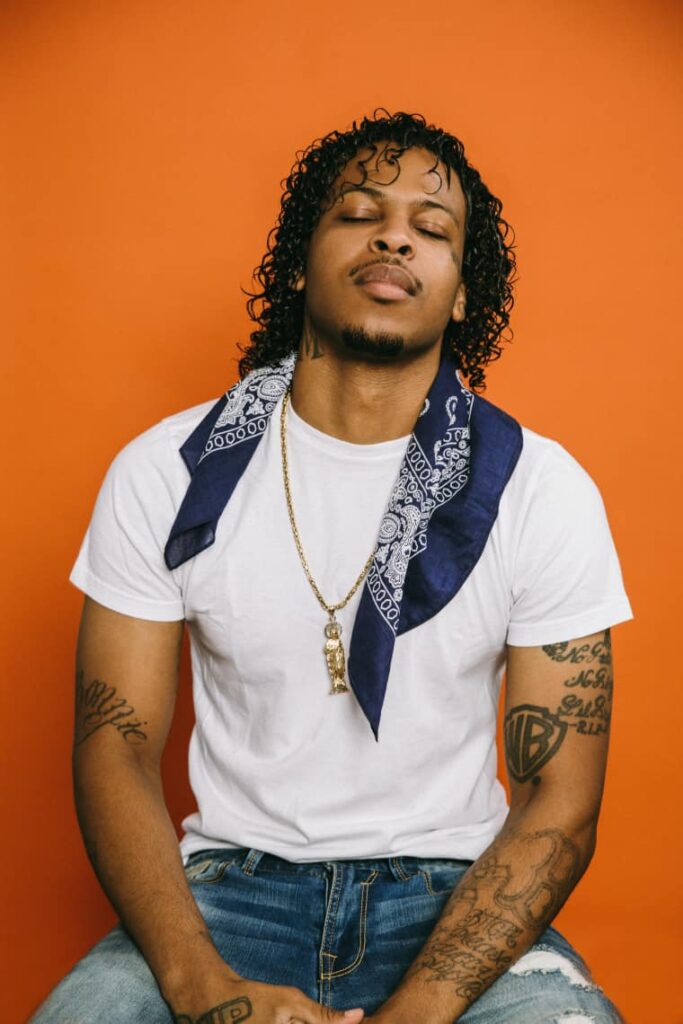
In Los Angeles, image has always been part of the package.
Artists like YG continue to influence streetwear trends, often tying their visuals and public appearances into their music rollouts.
Meanwhile, newer artists are taking a more relaxed approach—less about flashy branding, more about authenticity. This shift reflects a broader change in hip-hop, where fans value relatability just as much as image.
The Power of Consistency
If there’s one thing defining LA right now, it’s consistency.
Blxst has mastered the art of steady releases. Instead of disappearing between projects, he keeps fans engaged with regular drops and features.
G Perico follows a similar path, staying active while maintaining his signature sound.
This approach is building long-term loyalty rather than short-term hype.
Digital Era: Viral Before Mainstream
The first week of April made one thing clear—LA artists understand the internet.
310babii is a perfect example. His rise has been driven largely by social media, where catchy hooks and dance-friendly tracks spread quickly.
Platforms like TikTok and Instagram are now:
- Launching careers
- Testing songs before full releases
- Connecting artists directly with fans
This shift has changed the industry completely, and LA artists are adapting fast.
Bridging Old and New
While the new wave is rising, the influence of veterans remains strong.
Kendrick Lamar continues to set the standard for artistry and global impact. Even when he’s not actively dropping, his presence shapes expectations.
Roddy Ricch sits in the middle ground—an artist who has already reached global success but is still evolving with the new wave.
This connection between generations is helping LA maintain continuity while still moving forward.
The Soundtrack of the Streets and Clubs
LA hip-hop continues to dominate both street and club environments.
OhGeesy and Tyga are leading the club side with tracks designed for energy and movement.
On the other hand, artists like G Perico keep the streets connected to the music, ensuring that authenticity isn’t lost.
This balance keeps the culture grounded while still pushing forward commercially.
What This Means for the West Coast
The first week of April wasn’t about one big moment—it was about a strong, steady presence.
LA is currently:
- Building artists from the ground up
- Blending lifestyle with music
- Using digital platforms to its advantage
- Maintaining its cultural identity
This combination is what makes the West Coast dangerous again in the hip-hop space.
Final Thoughts
Los Angeles is moving differently right now. It’s not chasing trends or trying to compete directly with other regions. Instead, it’s focusing on what it does best—creating a culture that people want to be part of.
From music to fashion to digital influence, LA hip-hop is shaping the game in subtle but powerful ways.
And if the current momentum continues, the West Coast won’t just be part of the conversation—it will lead it.