LA’s New Wave: How Underground Artists Are Redefining West Coast Hip-Hop
By Eli Jesse
Los Angeles hip-hop is no longer just about the legends—it’s about the new wave quietly taking over the streets, clubs, and digital platforms. While mainstream names still hold weight, a new generation of artists is reshaping the sound of the West Coast from the ground up.
This isn’t just a revival. It’s a transformation.
The Underground Is Driving the Culture
For years, LA’s underground scene has been the backbone of its hip-hop identity. Now, that same underground is pushing into the spotlight.
Artists like 310babii are proving that you don’t need a major label to go viral. His club-ready tracks have become staples at parties and on TikTok, showing how quickly the streets can translate into global attention.
At the same time, Kalan.FrFr is carving out a lane that blends melody with street storytelling—bridging the gap between emotional depth and radio appeal.
Minimalism Is the New Sound
One of the most noticeable shifts in LA right now is production style.
Groups like BlueBucksClan are leading a minimalist wave—less crowded beats, slower tempos, and flows that ride the rhythm instead of overpowering it.
This style stands out because:
- It’s smooth and confident
- It gives lyrics more space to breathe
- It feels uniquely West Coast without sounding dated
It’s a sharp contrast to the heavy, aggressive production dominating other regions.
Street Energy Still Runs Deep
Even with melodic and minimalist trends rising, LA hasn’t lost its raw edge.
G Perico continues to represent the streets with authenticity, keeping the classic West Coast feel alive. His music reflects real-life experiences while maintaining a polished delivery.
Meanwhile, OhGeesy blends street influence with party energy—creating tracks that hit both in the club and on the block.
This balance is what makes LA unique: it can be gritty and mainstream at the same time.
Independence Is the Blueprint
The new LA wave isn’t waiting for labels—it’s building its own system.
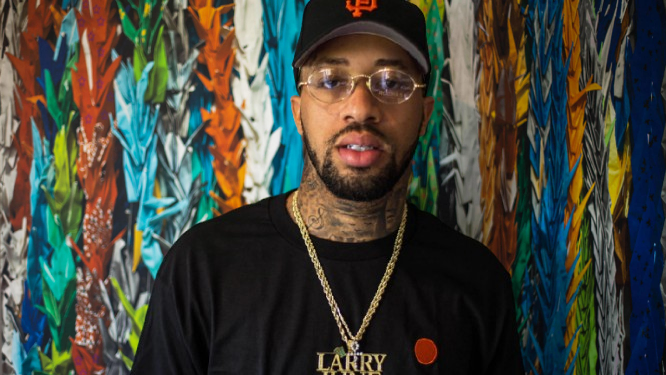
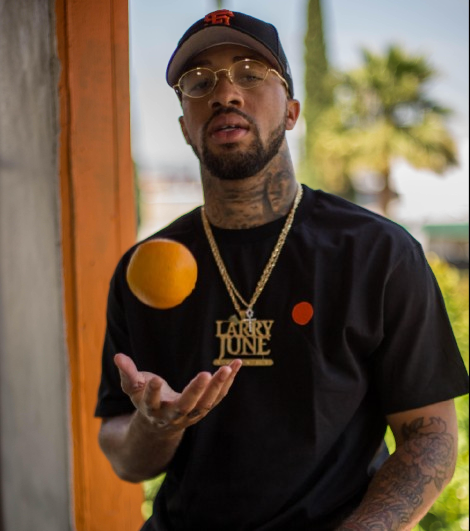
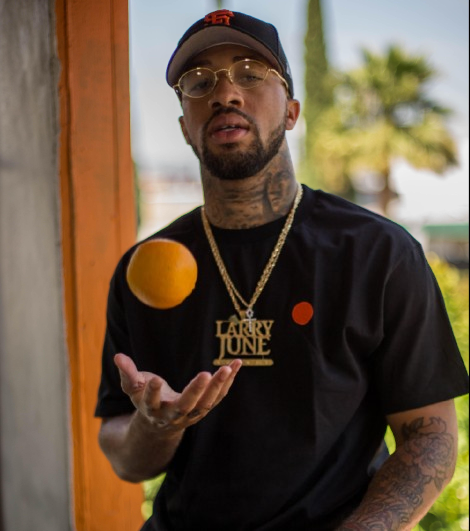
Artists like Larry June have shown that independence can lead to long-term success. By staying consistent and controlling his brand, he’s built a loyal following that supports every release.
This approach is inspiring younger artists to:
- Drop music more frequently
- Build direct relationships with fans
- Focus on branding just as much as music
The result is a scene that feels more authentic and less industry-controlled.
The Influence of LA Legends
Even with the rise of new artists, the influence of veterans is still everywhere.
Kendrick Lamar continues to set the bar lyrically, showing that West Coast artists can dominate globally without losing their identity.
YG remains a cultural anchor, especially when it comes to street anthems and representing LA’s core sound.
These artists aren’t just making music—they’re shaping the direction of the entire region.
Social Media Is Changing Everything
The rise of platforms like TikTok and Instagram has completely changed how LA artists break through.
Tracks can go viral overnight, turning unknown artists into major names. This is exactly how artists like 310babii gained traction—through consistent drops and shareable moments.
Now, success in LA hip-hop isn’t just about:
- Radio play
- Label backing
It’s about:
- Virality
- Consistency
- Connection with fans
What’s Next for the West Coast?
The future of LA hip-hop looks unpredictable—in a good way.
Here’s what to expect:
- More collaborations between underground and mainstream artists
- A stronger global push from LA-based musicians
- Continued evolution of the West Coast sound
There’s also growing anticipation around new releases from artists like Roddy Ricch, who could play a major role in bridging old and new waves.
Final Thoughts
The new wave of LA hip-hop isn’t trying to copy the past—it’s building something fresh.
With a mix of independence, creativity, and cultural awareness, these artists are redefining what it means to represent the West Coast. The sound is cleaner, the strategy is smarter, and the hunger is real.
Los Angeles isn’t just participating in hip-hop anymore—it’s shaping where it goes next.