West Coast Hip-Hop Industry Buzz and Cultural Moments
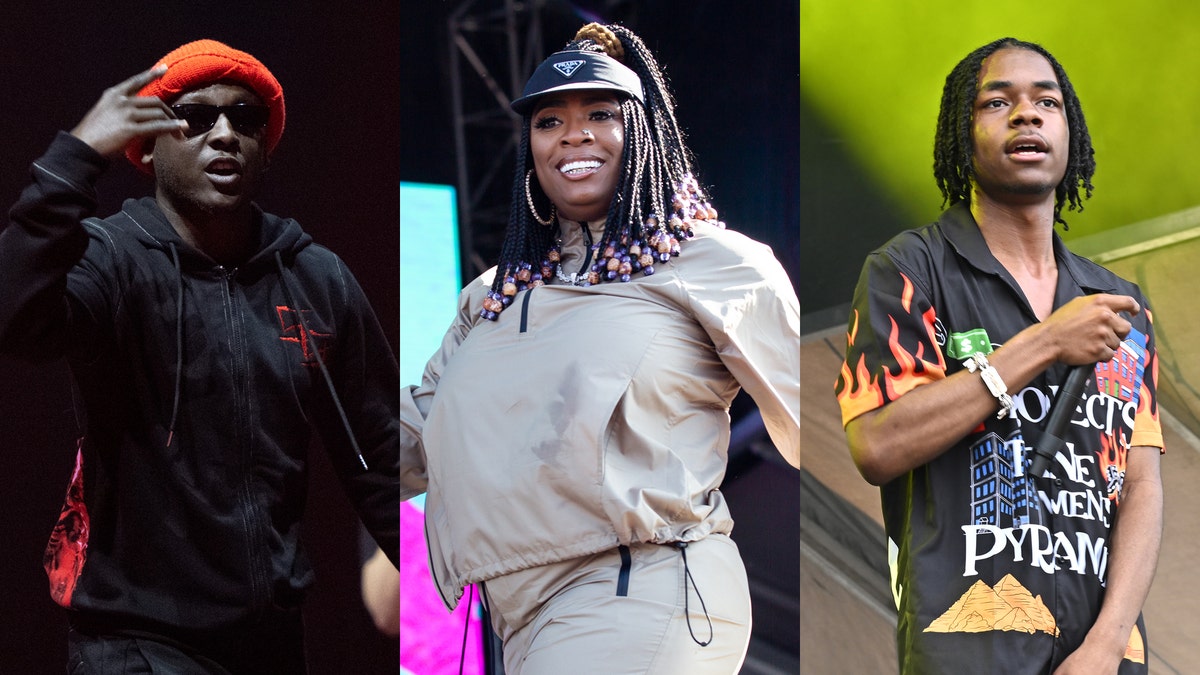
Week 2 on the West Coast was defined less by controversy and more by quiet but meaningful movement within the industry. While there were no explosive public feuds or shock announcements, several developments showed how West Coast hip-hop continues to evolve behind the scenes. From label strategies to artist branding and cultural influence, the region maintained its position as one of hip-hop’s most important creative engines.
Artist Independence Continues to Grow
One of the strongest themes this week was the continued shift toward independence. More West Coast artists are choosing to release music without traditional label backing or are renegotiating deals that allow them greater control over distribution and ownership. This approach has long been part of the West Coast identity, dating back to earlier generations that valued autonomy and direct fan connection.
Independent releases from Los Angeles and Bay Area artists gained traction through organic playlist placement and social media engagement rather than major-label promotion. This strategy reinforces the idea that West Coast hip-hop does not rely solely on mainstream validation to succeed. Instead, it builds long-term value through loyal audiences and consistent output.
pgLang’s Influence on the Business Side
The creative and business impact of pgLang continued to ripple through the industry this week. Artists and fans alike discussed the company’s approach to blending music, visuals, and branding into a single narrative. Even without a major release announcement, pgLang’s presence was felt through performances, interviews, and cultural commentary.
This influence reflects a broader shift within West Coast hip-hop toward multidisciplinary artistry. Music is no longer treated as a standalone product but as part of a wider creative ecosystem that includes fashion, film, and digital storytelling. Week 2 showed that this model is becoming increasingly influential across the region.
Kendrick Lamar’s Ongoing Cultural Weight
Few artists command attention without releasing new music, but Kendrick Lamar remains an exception. Discussions around Kendrick’s catalog resurfaced this week as fans and critics revisited his influence on lyricism, album structure, and social commentary. His work continues to be referenced in conversations about artistic integrity and long-term impact.
This sustained relevance highlights an important reality of West Coast hip-hop: cultural authority often outweighs short-term chart success. Kendrick’s influence extends beyond music, shaping how newer artists approach storytelling and authenticity.
Bay Area Entrepreneurship Stays Strong
The Bay Area remained a hub for artist-led entrepreneurship during Week 2. Several rappers associated with the region promoted merchandise drops, pop-up events, and brand collaborations. These ventures may not dominate music headlines, but they play a significant role in shaping the economic foundation of West Coast hip-hop.
Bay Area artists have long treated music as one part of a larger hustle, and this week reinforced that tradition. By diversifying income streams, artists reduce dependence on streaming revenue while strengthening their personal brands. This model continues to inspire younger West Coast artists looking for sustainability rather than overnight success.
Legacy Artists Maintain Strategic Visibility
Veteran West Coast figures continued to move strategically rather than flooding the market. Snoop Dogg remained visible through interviews, curated appearances, and ongoing promotion of recent work. Instead of chasing viral moments, Snoop’s approach emphasizes longevity and brand consistency.
This strategy reflects how legacy artists are adapting to a modern industry. Rather than competing directly with newer acts for attention, they focus on maintaining relevance through selective engagement and cultural presence. Week 2 showed that this approach remains effective.
Media, Playlists, and Regional Representation
West Coast artists saw steady representation across major hip-hop playlists this week, particularly in categories focused on street rap, lyrical hip-hop, and West Coast classics. While not always highlighted as headline acts, many artists benefited from consistent playlist placement that supports long-term streaming growth.
Media coverage during Week 2 leaned toward analysis rather than breaking news. Articles and commentary focused on trends such as independent releases, regional sound evolution, and the balance between tradition and innovation. This type of coverage reflects a mature scene that is less about spectacle and more about sustained influence.
Why This Week Matters for the West Coast
Week 2 may appear quiet on the surface, but it revealed important underlying dynamics. The West Coast continues to prioritize ownership, cultural depth, and strategic growth over short-term hype. Artists are building careers designed for longevity, supported by loyal fanbases and diversified creative output.
These industry moves set the tone for the weeks ahead. As new releases, tours, and announcements emerge, the groundwork laid during this period will play a key role in determining which artists break through and which movements gain momentum. West Coast hip-hop remains steady, intentional, and culturally powerful, proving that influence does not always require noise to be felt.