
West Coast Hip-Hop Shows and Performances That Moved the Culture
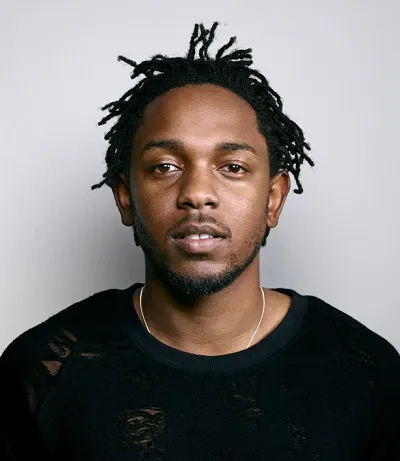
Week 2 on the West Coast wasn’t just about new music releases. Live shows, festival appearances, and club performances played a major role in keeping the region’s hip-hop scene active and visible. From packed Los Angeles venues to Bay Area stages, artists used live performances to connect with fans, test unreleased material, and reinforce the West Coast’s reputation as a performance-driven culture.
Los Angeles Remains the Live Music Hub
Los Angeles continued to lead the way as the epicenter of West Coast hip-hop performances. Several mid-sized venues across the city hosted sold-out or near-capacity shows, especially from artists currently riding momentum from recent projects. These performances leaned heavily on energy and crowd interaction rather than elaborate stage production, reflecting the raw, street-level connection that defines much of LA rap culture.
Artists affiliated with the pgLang movement and the wider LA underground performed sets that blended released tracks with unreleased material. Fans in attendance noted that snippets of new songs received some of the loudest reactions, signaling strong anticipation for upcoming drops. This week further proved that LA crowds remain highly influential when it comes to shaping early opinions on new music.
Kendrick Lamar’s Influence Still Felt Live
Although Kendrick Lamar did not headline a major public concert this week, his presence was still felt across multiple performances. Several artists paid homage by performing Kendrick-related freestyles or referencing his lyrics during live sets. This type of influence highlights how Kendrick’s work continues to define the artistic bar for West Coast live performances.
Local DJs and hosts also leaned into Kendrick’s catalog during club nights, especially tracks that resonate strongly in live environments. Even without a direct appearance, his impact shaped the tone of West Coast stages throughout the week.
Bay Area Shows Emphasize Hustle and Consistency
The Bay Area stayed true to its reputation for independent hustle. Oakland and San Francisco venues hosted multiple showcases featuring regional rappers and DJs. These shows prioritized volume and consistency, with artists performing frequently and often on short notice.
Rather than large-scale concerts, many Bay Area events this week focused on intimate settings. This allowed artists to engage directly with fans and sell merchandise, a core part of the Bay’s independent music economy. Several performers used these stages to promote recently released singles, turning live shows into direct extensions of their streaming strategies.
Snoop Dogg’s Legacy Lives On Stage
West Coast legend Snoop Dogg remains a major reference point for live hip-hop on the coast. While Snoop did not host a major solo concert during Week 2, his music featured heavily in West Coast-themed events and DJ sets. Tracks from his recent album Missionary also received strong crowd reactions, proving that legacy artists still command attention in live settings.
Snoop’s continued relevance highlights a broader trend on the West Coast: veteran artists are still central to the live performance ecosystem. Younger performers often share stages or lineups inspired by these legends, reinforcing a strong sense of continuity across generations.
Clubs, Pop-Ups, and Surprise Performances
One defining characteristic of Week 2 was the number of surprise appearances and pop-up performances. Several artists announced shows only hours in advance, relying on social media to pull crowds. This approach proved effective, especially in Los Angeles, where fans are accustomed to last-minute events.
Club performances also played a key role this week. DJs curated West Coast-heavy sets that blended classic records with new releases, helping newer songs gain traction in real-world environments beyond streaming platforms. These club moments often serve as testing grounds for which tracks truly resonate with audiences.
Why Live Performances Matter This Week
Week 2 demonstrated that live performances remain essential to West Coast hip-hop’s survival and growth. Even without major arena tours, artists used shows to strengthen fan loyalty, promote new music, and maintain cultural relevance. The emphasis on smaller venues and frequent appearances reflects a scene that values authenticity over spectacle.
As the month continues, these performances set the stage for bigger announcements and larger tours. The strong turnout and engagement this week suggest that West Coast hip-hop fans remain deeply invested in live experiences, ensuring that the region’s performance culture stays as influential as its recorded music.