
West Coast Hip-Hop’s Underground Scene Is Applying Relentless Pressure
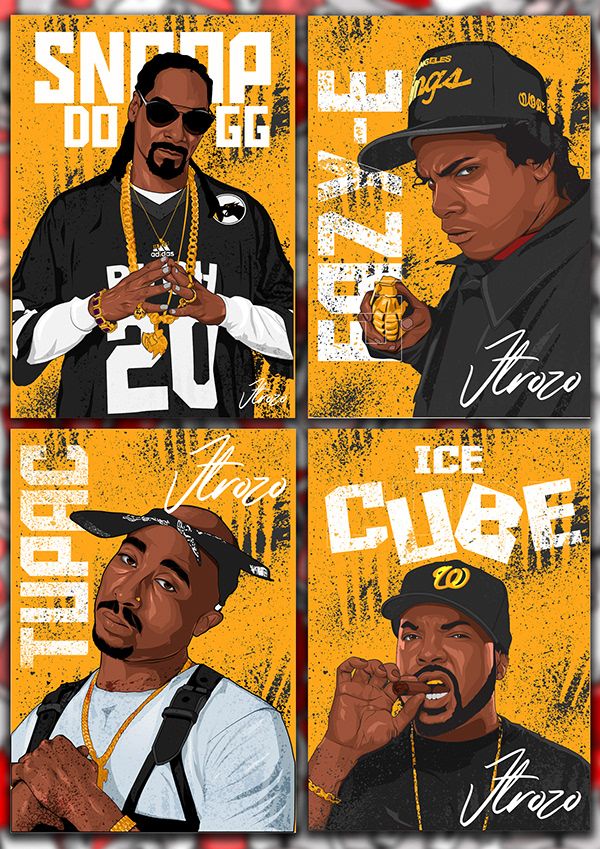
While mainstream releases continue to dominate major playlists and charts, West Coast hip-hop’s underground movement is quietly building serious momentum. Across Los Angeles, the Bay Area, Long Beach, Inglewood, and surrounding cities, independent artists are pushing raw records, gritty visuals, and bar-heavy performances that reconnect the culture to its foundation.
This side of West Coast hip-hop isn’t driven by algorithms or industry rollouts. It’s powered by hunger, authenticity, and real stories coming straight from the streets. And right now, that energy feels stronger than it has in years.
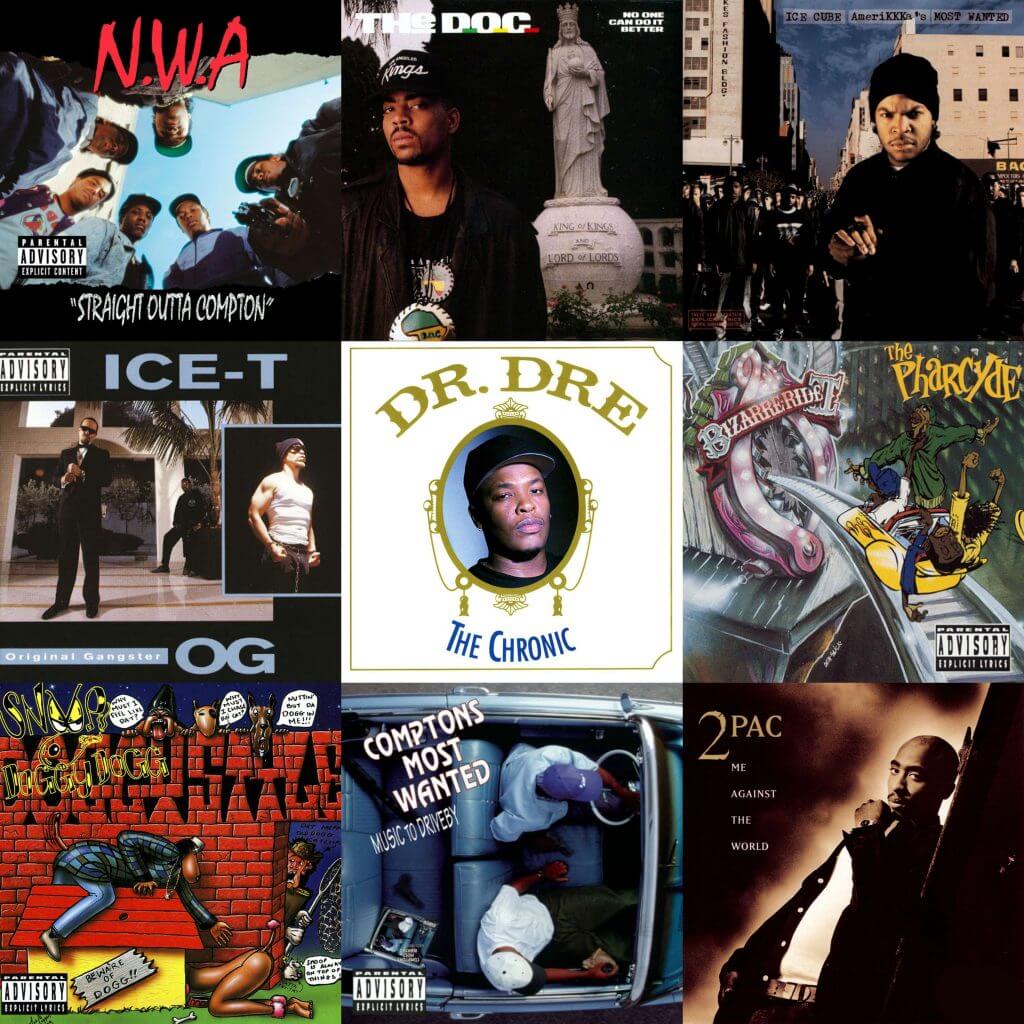
Independence Is the New Power Move
One of the most defining traits of the current West Coast underground is independence. Artists are increasingly choosing to control their careers from the ground up, releasing music without major label backing and building audiences organically.
Instead of waiting for deals, many artists are investing in their own studios, visuals, and marketing. This freedom allows them to move at their own pace and stay true to their sound. The result is music that feels more personal and less filtered.
Artists like Jay Worthy have shown how consistency and identity can keep an artist relevant without compromising creative control. His continued presence in underground circles has earned him respect from both old-school listeners and younger fans discovering West Coast hip-hop for the first time.
Lefty Gunplay is another example of how raw storytelling can resonate without industry polish. His music focuses on emotion, struggle, and survival, making it relatable to listeners who want authenticity over hype.
This independent mindset is redefining success on the West Coast.
Street-Level Visuals Bring the Music to Life
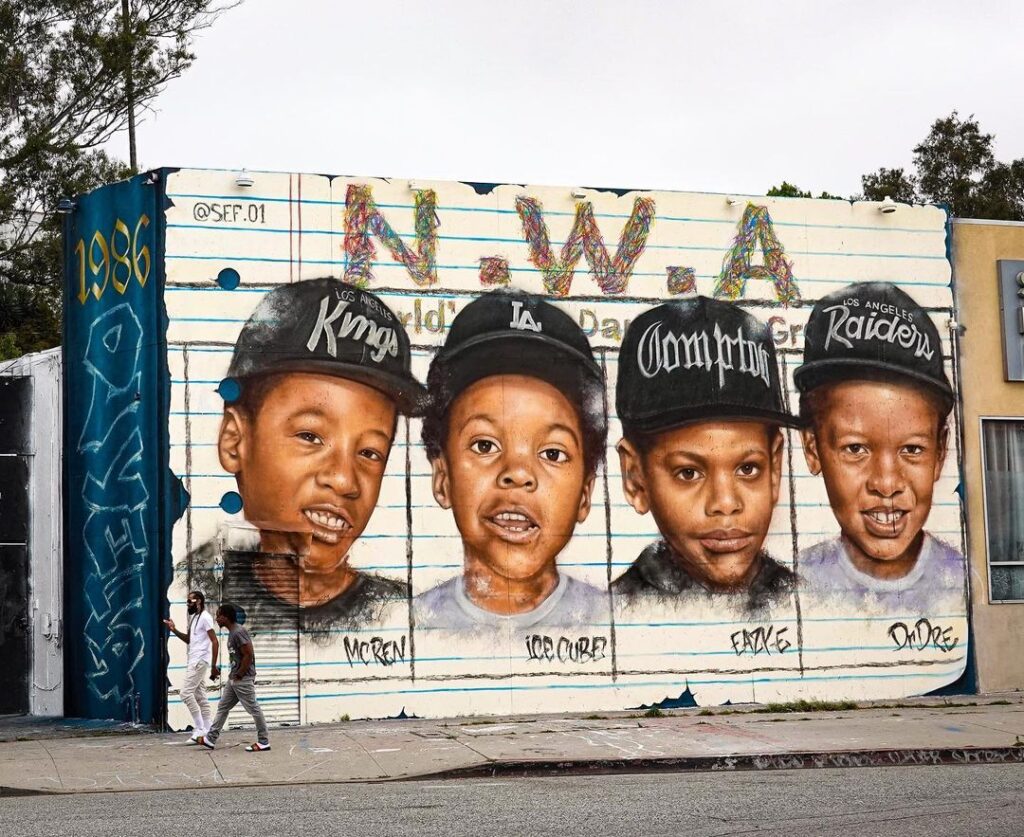
The visuals coming from the West Coast underground are intentionally raw. Instead of flashy sets or high-budget effects, many artists are shooting videos in neighborhoods, alleyways, parking lots, and studios.
These visuals prioritize presence over perfection. One-take performances, handheld camera movement, and low-light shots create a sense of realism that fans connect with immediately. The environment becomes part of the story, grounding the music in real places and real experiences.
Street cyphers have also made a strong comeback. Groups of artists gathering to trade bars on camera remind fans of hip-hop’s competitive roots. These moments often go viral not because of production quality, but because of energy, confidence, and lyrical sharpness.
For many listeners, this stripped-down approach feels refreshing in an era of overproduced content.
Lyricism Is Regaining Its Respect
A noticeable shift in West Coast hip-hop is the renewed emphasis on lyricism. Freestyles, acapella clips, and short-form rap videos are spreading rapidly across social media, with listeners rewarding artists who can really rap.
Underground artists are addressing topics that resonate deeply with their audiences. Street politics, mental pressure, loyalty, betrayal, ambition, and survival are common themes. These aren’t surface-level bars; they’re reflections of real life in West Coast cities.
This lyrical focus has helped the underground regain respect from longtime hip-hop fans who value substance over trends. It’s also creating space for younger artists who understand that strong writing still matters.
Bars are back in focus, and listeners are paying attention.
Producers Are Shaping a New West Coast Sound
Behind the scenes, West Coast producers are playing a major role in the underground’s growth. Beats are blending classic G-funk influence with modern trap drums, dark melodies, and minimalist basslines.
Some producers are revisiting funk-inspired synths and bounce-heavy rhythms, while others lean into darker, atmospheric production that allows artists to deliver introspective verses. This balance between old-school and new-school keeps the sound familiar but forward-thinking.
What makes these beats stand out is space. Many underground producers leave room for artists to speak, letting the lyrics carry weight rather than overwhelming them with excessive layers.
The production feels intentional, focused, and built for storytelling.
Grassroots Support Keeps the Culture Alive
Local support remains the backbone of the West Coast underground. Pop-up shows, open mics, and small venue performances continue to play a major role in building momentum.
Cities like Los Angeles, Inglewood, and Long Beach have seen steady attendance at independent showcases, with fans showing up not for hype but for community. These events create direct connections between artists and listeners, something that can’t be replicated online.
Fans are supporting the movement by streaming music directly, buying merchandise, sharing clips, and pulling up to live performances. This grassroots support allows artists to sustain themselves while growing their reach.
It’s a reminder that hip-hop culture has always thrived from the ground up.
Digital Platforms Amplify Underground Voices
While the movement is rooted in the streets, digital platforms have amplified underground voices more than ever. Short-form video apps have become essential tools for independent artists to showcase their talent.
A single freestyle clip or studio session can introduce an artist to thousands of new listeners overnight. Unlike traditional promotion, these platforms reward authenticity and consistency rather than budgets.
Artists who stay active, engage with fans, and consistently drop content are building loyal followings without relying on industry validation.
The internet hasn’t replaced the streets, but it has extended their reach.
Competition Is Raising the Bar
One of the healthiest signs of the West Coast underground is competition. With so many hungry artists pushing quality music, the standard continues to rise.
Rappers are sharpening their writing, producers are refining their sound, and visuals are becoming more intentional. This competitive environment benefits the culture as a whole, forcing artists to evolve rather than settle.
It’s no longer enough to simply drop music. To stand out, artists must bring originality, presence, and consistency.
Final Thoughts
West Coast hip-hop’s underground scene is thriving through independence, lyrical focus, strong production, and community support. While mainstream releases grab headlines, the real foundation of the culture continues to grow quietly in studios, streets, and small venues.
This movement isn’t chasing trends. It’s building longevity.
As more underground artists continue to apply pressure, it’s only a matter of time before more West Coast voices break through on a larger scale. When that happens, the culture will recognize that the groundwork was already laid long before the spotlight arrived.