


West Coast Pressure: How December’s Biggest LA Drop Set the Tone for the New Era
Byline: Eli Jesse
Introduction
December on the West Coast always hits different. While the industry slows down for the holidays, LA artists use this window to drop statements — projects that feel more like legacy plays than quick streams. This first week of December delivered exactly that: a major West Coast release that didn’t just add to playlists, but reminded listeners why LA remains a creative engine in hip-hop.
This wasn’t a chase-for-viral type of album. It was intentional, layered, and rooted in West Coast identity — from the production choices to the storytelling. In a year where hip-hop felt oversaturated, this drop cut through the noise and re-centered the conversation around quality, growth, and regional pride.
The Sound: Classic Roots, Modern Weight
The project leans heavily into West Coast sonics, but not in a nostalgic way. Instead of replaying old formulas, it modernizes them. The basslines knock, the synths feel cinematic, and the drums carry that unmistakable LA bounce. You can hear influences of G-funk, underground LA rap, and even touches of Bay Area rhythm, all updated for today’s streaming era.
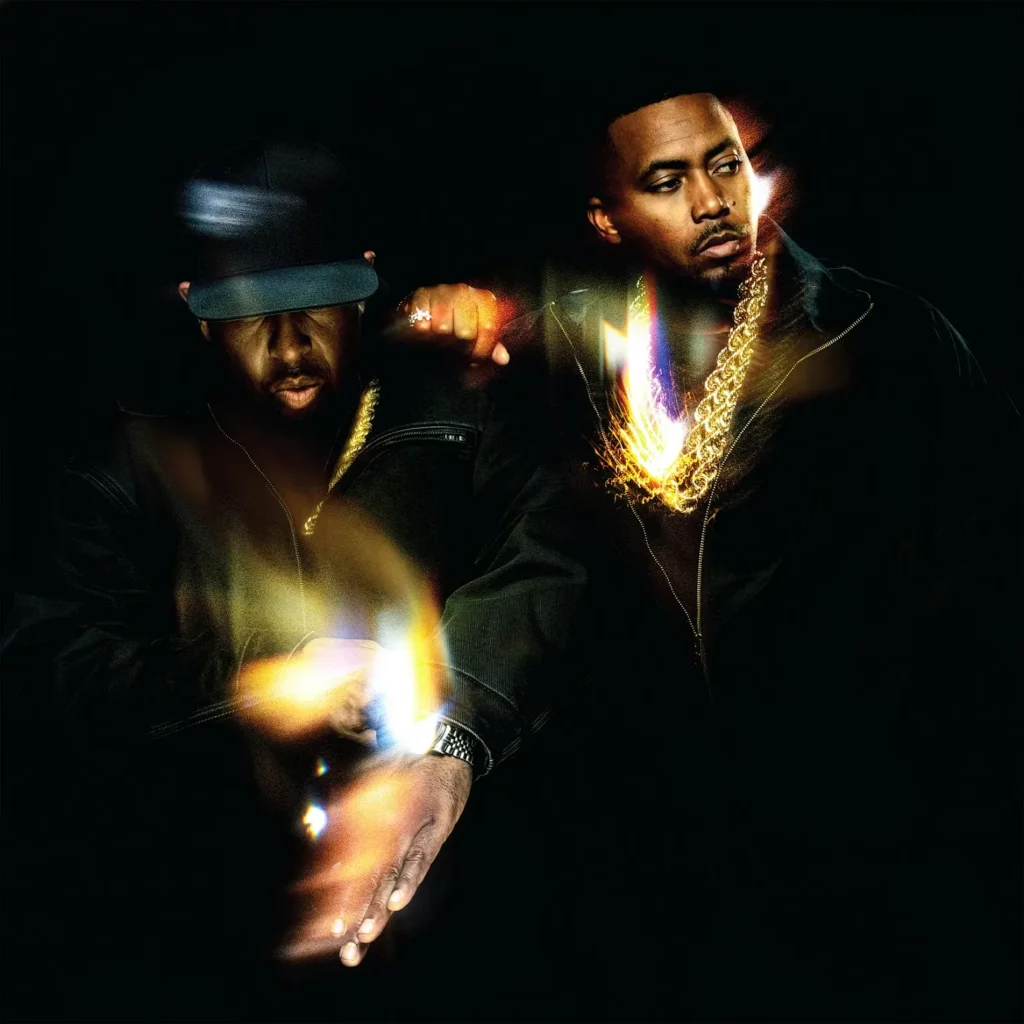
What makes the sound stand out is restraint. There’s no clutter. Every beat feels curated to match the artist’s tone — whether it’s introspective or aggressive. The production allows space for bars to breathe, something that’s becoming rare in mainstream rap.
Lyrics & Themes: Growth Without Losing the Streets
Lyrically, this project hits a balance many artists struggle with. It speaks from success but never disconnects from the streets. The artist reflects on past hunger, present pressure, and future responsibility — not just to fans, but to the city itself.
There’s a recurring theme of survival turning into strategy. Early tracks focus on struggle, distrust, and lessons learned the hard way. As the album progresses, the mindset shifts toward ownership, legacy, and independence. This progression makes the project feel like a journey rather than a playlist dump.
Standout moments come when the artist slows things down — addressing loss, loyalty, and the cost of staying real in an industry built on shortcuts. These tracks are likely to age the best.
Features: Purpose Over Popularity
One of the smartest moves on this project is the feature selection. Instead of chasing chart-toppers, the artist keeps features minimal and meaningful. Most collaborators come from the West Coast or share similar backgrounds, which keeps the album cohesive.
When features do appear, they enhance the message rather than steal the spotlight. No unnecessary verses. No forced hooks. Just artists aligning with the same energy. That alone makes the project feel more like a body of work than a commercial product.
LA Impact: Why This Drop Matters

This release matters because it reinforces something important: LA doesn’t need to follow trends to stay relevant. While other regions chase fast sounds, West Coast artists are proving that authenticity still sells — especially when paired with evolution.
The album sparked conversations across LA — from local studios to online spaces. Fans debated favorite tracks, bars, and production choices, while younger artists studied the rollout and structure. It’s the type of drop that influences more than just numbers.
It also arrives at a time when West Coast hip-hop is quietly rebuilding momentum. Between underground scenes, independent labels, and strategic releases, LA feels like it’s entering another strong cycle.
Numbers vs. Legacy
While first-week numbers always matter, this project feels less focused on immediate chart placement and more on long-term respect. It’s the kind of album that grows with listeners — something people return to months later and catch lines they missed.
That approach reflects a larger shift in West Coast strategy: fewer drops, higher quality, stronger branding. And if the early reception is any indication, it’s working.
Final Thoughts
This first-week-of-December West Coast drop sets the tone for what LA hip-hop is becoming — mature, intentional, and unapologetically regional. It doesn’t scream for attention; it commands it.
As the year closes, this project stands as a reminder that the West Coast still knows how to move the culture without begging for validation. If this is how December started, 2026 might be dangerous for the rest of the map.