



The Bay Area’s Influence Continues to Shape West Coast Hip-Hop
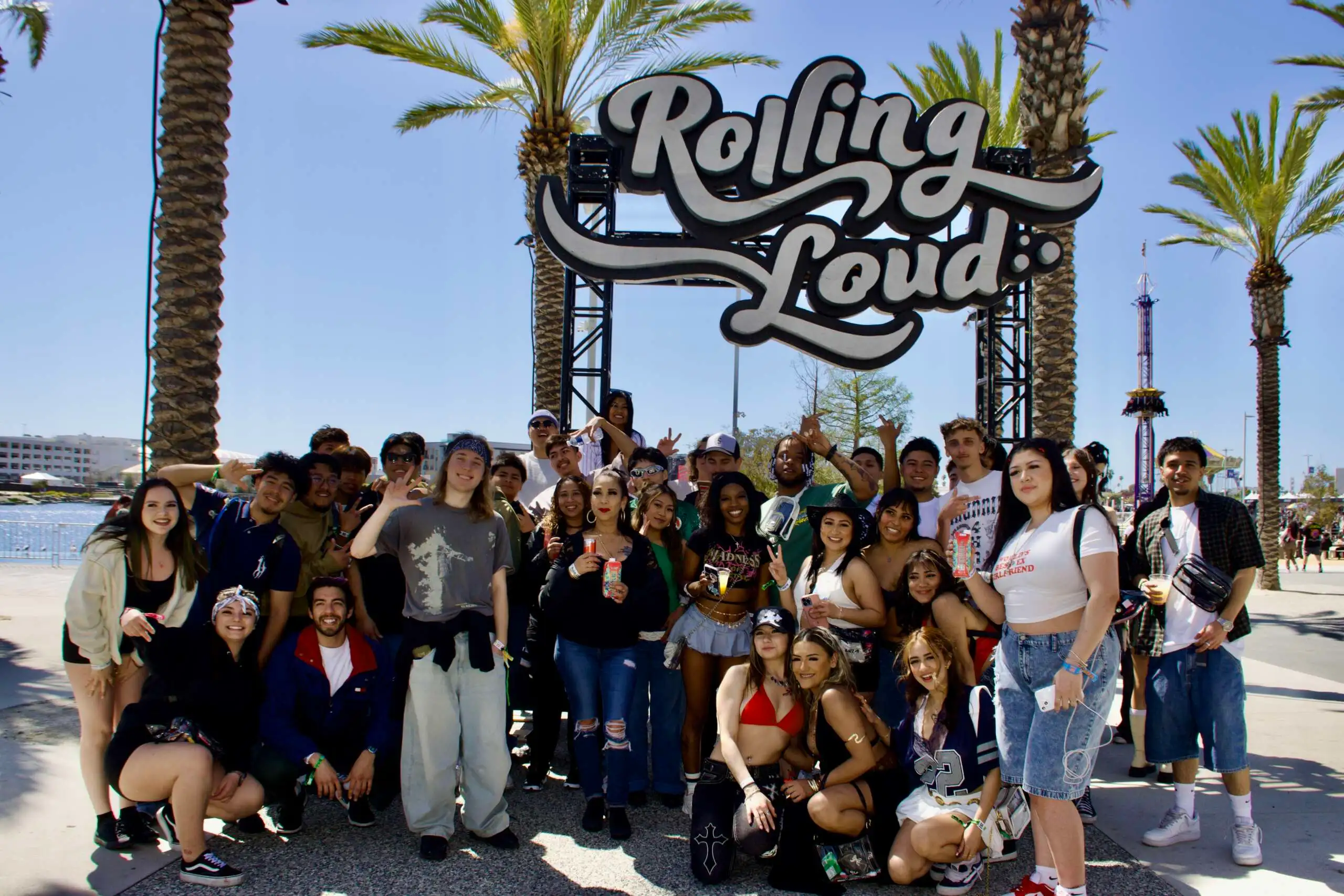
The Bay Area has always moved differently. While Los Angeles often dominates mainstream attention, Northern California continues to quietly shape West Coast hip-hop through innovation, independence, and culture-first thinking. From Oakland to San Francisco and Vallejo, the Bay’s influence runs deep in sound, business, and mindset.
Today, that influence remains strong. Artists are staying consistent, controlling their careers, and reinforcing a legacy built on ownership, hustle, and originality.
A Region Built on Independence
One of the Bay Area’s most defining characteristics is independence. Long before independent releases became industry buzzwords, Bay Area artists were already selling music directly to fans, pressing physical copies, and building local support without label backing.
That mentality is still alive. Many Bay Area rappers prioritize ownership over visibility, choosing to grow steadily rather than chase viral success. This approach has created careers with longevity, not just moments.
Larry June is one of the clearest examples of this philosophy in action. His consistent releases, strong branding, and direct-to-fan approach reflect the Bay Area’s long-standing belief in self-sufficiency. Rather than relying on heavy promotion, his music spreads through trust and consistency.
This mindset continues to influence artists across the West Coast.
Sound That Prioritizes Feel Over Trends
Bay Area hip-hop has never been about fitting neatly into trends. Instead, it prioritizes feel, rhythm, and lifestyle. The sound often leans into smooth, laid-back flows paired with bass-heavy production that feels built for cruising rather than chasing charts.
Modern Bay Area production blends classic influences with updated textures. Funk-inspired basslines, minimal drum patterns, and atmospheric melodies are common, giving artists space to talk their talk.
This production style encourages storytelling and personality. Artists are not rushed or overcrowded by beats. The music breathes, allowing listeners to absorb lyrics and energy naturally.
That balance is a major reason Bay Area music ages well.
Hustle Culture as a Core Theme
Hustle has always been central to Bay Area hip-hop, but it is presented differently than in other regions. Rather than glorifying excess, many Bay artists focus on discipline, patience, and long-term thinking.
Lyrics often revolve around:
- Financial growth
- Self-belief
- Consistency
- Learning from losses
- Building something sustainable
This messaging resonates strongly with listeners who see music as motivation rather than escapism.
Bay Area artists speak directly to people who are grinding, investing in themselves, and playing the long game.
Legacy Artists Still Set the Tone
The Bay Area’s legacy artists continue to influence new generations, not only through music but through business examples. Figures connected to the region’s history laid the blueprint for independence and ownership that artists still follow today.
Rather than chasing nostalgia, current Bay Area rappers build on that foundation. They reference the past while pushing forward, maintaining respect for the culture that shaped them.
This continuity between generations is one of the Bay Area’s greatest strengths.
Live Shows and Local Support
Local support remains essential to the Bay Area movement. Smaller venues, pop-up shows, and community events continue to draw consistent crowds.
These performances feel personal. Artists interact directly with fans, creating an environment that feels more like a gathering than a concert. This connection strengthens loyalty and keeps the culture grounded.
Unlike regions that rely heavily on industry platforms, Bay Area artists often build momentum locally before expanding outward. That grassroots growth ensures a strong foundation.
Digital Platforms Extend the Reach
While the Bay Area remains rooted in real-world connections, digital platforms have expanded its reach. Social media, streaming services, and short-form video have allowed artists to share their sound without losing authenticity.
Rather than overproduced content, many Bay Area artists post studio sessions, car freestyles, and lifestyle clips. These moments feel natural and reinforce the culture’s emphasis on realness.
This digital presence helps bridge the gap between local loyalty and global visibility.
Influence Beyond Music
Bay Area hip-hop extends far beyond sound. Fashion, slang, and entrepreneurial thinking from the region continue to influence the broader culture.
Streetwear brands, independent merchandise drops, and creative marketing strategies often originate from Bay Area thinking. Artists understand that music is one part of a larger ecosystem.
This holistic approach keeps Bay Area culture relevant even when it is not dominating mainstream charts.
Competition Without Conflict
Another unique trait of the Bay Area scene is its competitive yet supportive nature. Artists push each other creatively without constant rivalry.
Collaborations feel organic rather than forced. Features often come from shared respect rather than industry politics. This environment encourages growth and innovation without unnecessary division.
The result is a scene that evolves collectively rather than fragmenting.
Why the Bay Area Still Matters
In an era where trends change rapidly, the Bay Area’s steady approach stands out. It proves that success does not always require speed or spectacle.
By focusing on independence, consistency, and authenticity, Bay Area hip-hop continues to shape the West Coast’s identity from the inside out.
Its influence may not always be loud, but it is lasting.
Final Thoughts
The Bay Area remains a cornerstone of West Coast hip-hop. Through independence, sound innovation, and cultural integrity, the region continues to influence artists far beyond Northern California.
While mainstream attention shifts constantly, the Bay’s foundation stays solid. Its artists are not chasing moments. They are building legacies.
And that mindset ensures the Bay Area will always matter in the story of West Coast hip-hop.